Understanding soap: definition, history and current issues
Soap is widely used in France and in every country for bathing, washing, and body care. Its chemical definition is based on a mixture of fats and a strong base, often sodium hydroxide or potassium hydroxide. This chemical reaction, called saponification, transforms a carboxylic acid and fatty acids into sodium or potassium carboxylates.
It also forms micelles capable of attracting impurities, grease, and substances present on the skin. Since the 19th century, and even well before, chemists have studied this transformation in detail, notably thanks to the work of the French chemist Eugène Chevreul, who described the role of fatty acids and glycerol in modern soaps.
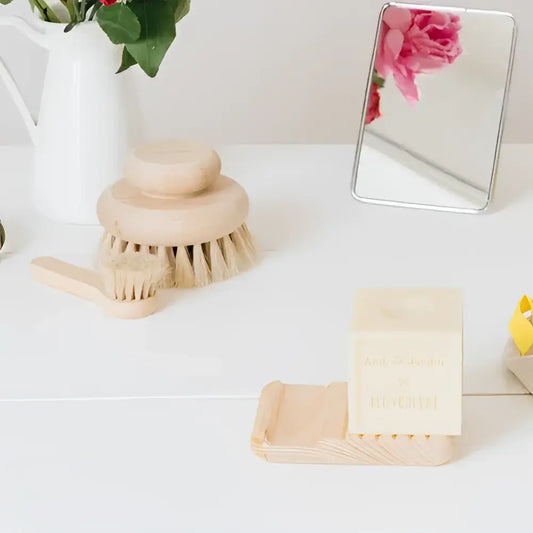
The history of soap dates back to antiquity, and the word "soap" comes from the Latin word "sapo." From the 9th century onwards, and again in the 19th and 20th centuries, its traditional production spread, particularly to southern regions like Marseille, where Marseille soap and traditional Marseille soap were produced in large quantities. The famous port of Marseille facilitated the importation of palm oil, salt, cotton, and other ingredients necessary for soap making and the development of local soap factories.
There is also a strong link between Provence and solid Provence soap, or scented solid Provence soaps , which offer a sensory pleasure associated with flowers and natural fragrances. History also shows that during a world war, the availability of soap was sometimes limited, which reinforced its importance in daily life.
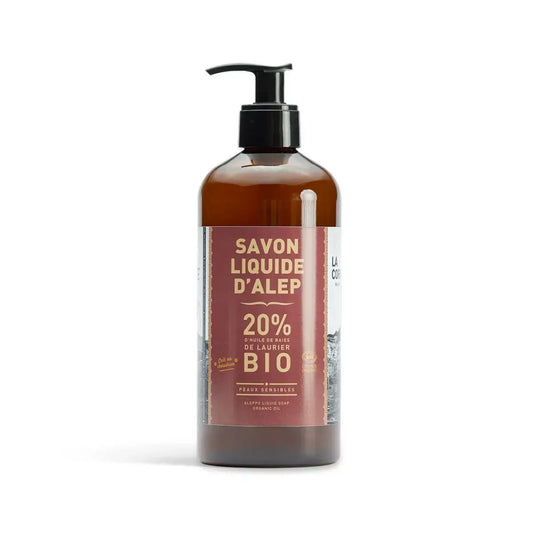
Today, soap is an essential part of a cleansing routine. It helps wash every part of the body, from hands to face and hair. Many people use hypoallergenic, organic , or sensitive skin soaps to meet their skin's needs. Cold-process superfatted soaps or cleansing creams help prevent skin from drying out, especially in areas with hard water or tap water high in minerals.
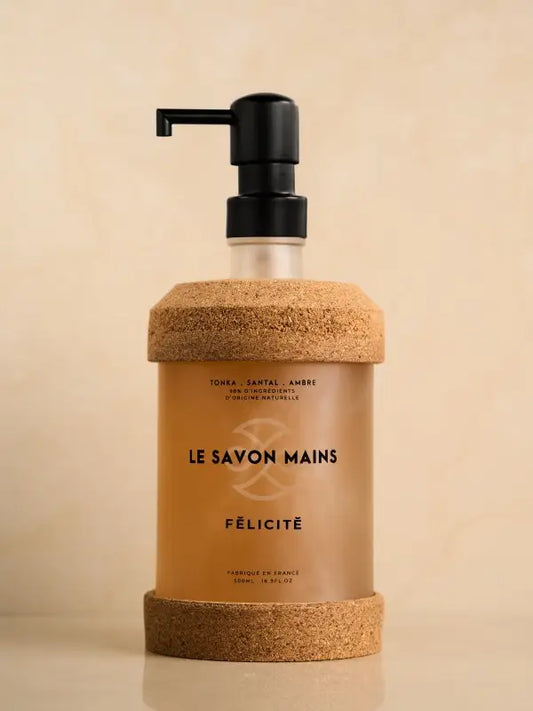
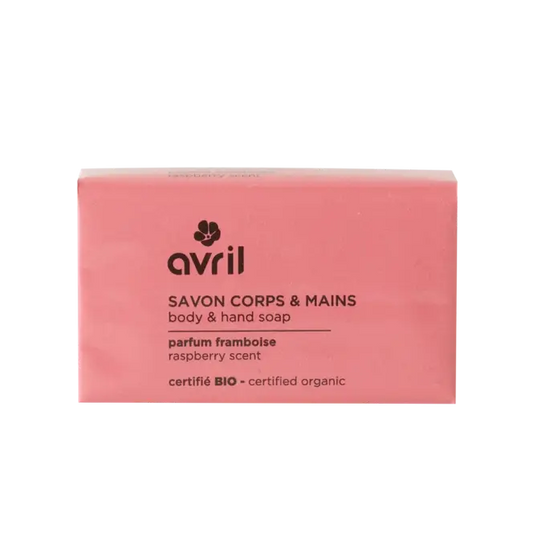
Meanwhile, consumers are looking for scented or unscented versions , with or without unnecessary ingredients, organic or more neutral, depending on their needs. The website of Forma Concept Store, the leading online concept store, allows customers to discover a variety of suitable products, including adapted soaps and soaps for the body or hands.
The main types of soap: properties and uses
Soaps vary depending on the type of fat used, the aqueous phase, and the production method. A blend of fats might include organic olive oil, shea butter, vegetable butter, or a traditional Castile soap made solely from olive oil. Some soaps contain potassium or sodium, depending on their manufacturing process.
In a basic environment, sodium hydroxide or potassium hydroxide (KOH) transforms fatty acids into solid sodium carboxylates or softer soaps. Scented formulations may include a floral version, a specific color, or a delicate fragrance to enhance the bathing experience .
Marseille soap, solid Provence soap, or Provence soap sold in cubes or 100g bars are renowned for their traditional production methods. Compared to other modern cleansing products, a traditional Marseille soap adheres to strict rules and uses simple ingredients.
Sometimes a trace of ash or salt is added to aid in the separation of the phases during soap making. The artisanal soap factory located in the south still perpetuates this ancestral method with a deep respect for raw materials and drying time.
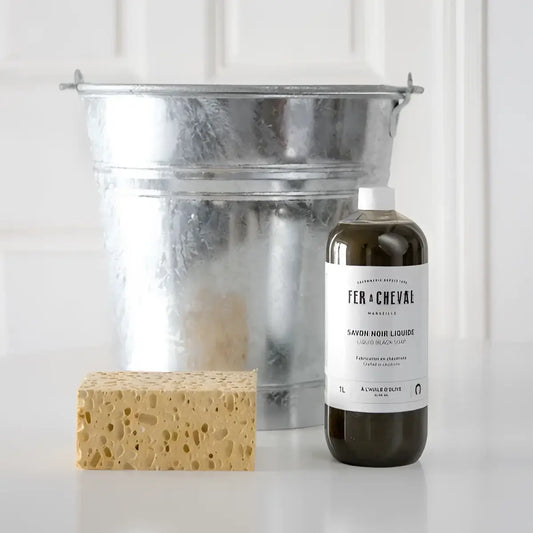
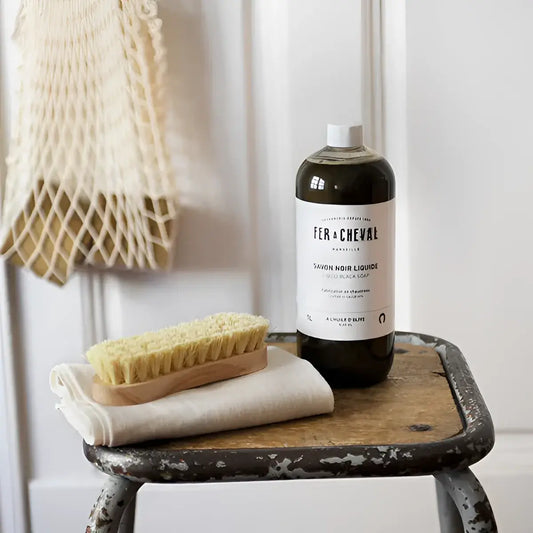
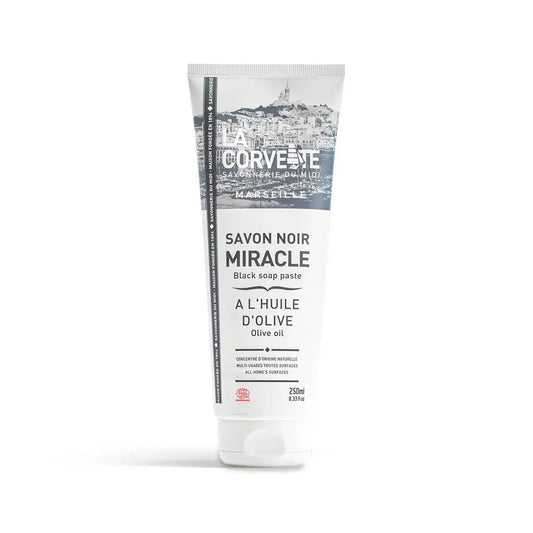
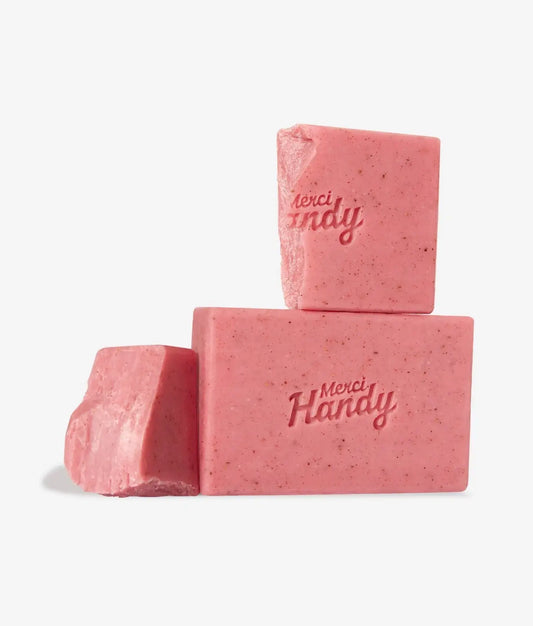
Soaps can also be tailored to specific uses. Black soap is ideal for household chores. A fragrant exfoliating soap is suitable for those who want to soften their skin. A beard soap or solid shampoo can be made from a superfatted soap, while a facial soap must meet the specific needs of this more delicate area. Consumers sometimes like to compare products or read reviews to determine if a product is ideal for their skin.
The benefits of natural soap on the skin
Natural soap leaves skin soft and respects its natural balance, especially when made with organic ingredients. The fatty acids in vegetable oils nourish the skin and protect it from dryness. Glycerol, produced during the cold process, naturally moisturizes and prevents dryness. Organic soaps are more environmentally friendly because they exclude laureth sulfate and other harsh agents. Thanks to their simple composition, they are perfect for everyday use on the face, body, and hands.
A well-formulated body soap is suitable for all skin types . Sensitive skin appreciates fragrance-free products or those with a very delicate floral scent. Dry skin benefits from shea butter or a superfatted soap rich in fatty acids. People with irritations often prefer a hypoallergenic and organic soap. Some users even choose soaps enriched with specific carboxylic acids for a more targeted effect.
Natural soaps avoid many harsh substances. Most modern, handcrafted formulas do not contain animal fats. They respect the water phase, essential for the product's balance, and sometimes offer scented versions for added sensory pleasure. An organic soap or a natural cleansing cream also provides an excellent alternative to liquid shampoo, especially if you choose a soap suited to your hair and scalp needs.
How to choose the right soap?
To choose the right soap, it's important to examine its ingredients in detail. Users should check if the product contains sodium carbonate, sodium, or potassium, or if it contains palm oil if they wish to avoid it. Online reviews from neighbors or other users can be a valuable source of information. The soap's color, fragrance, quantity, and curing time (in months) also influence its final quality.
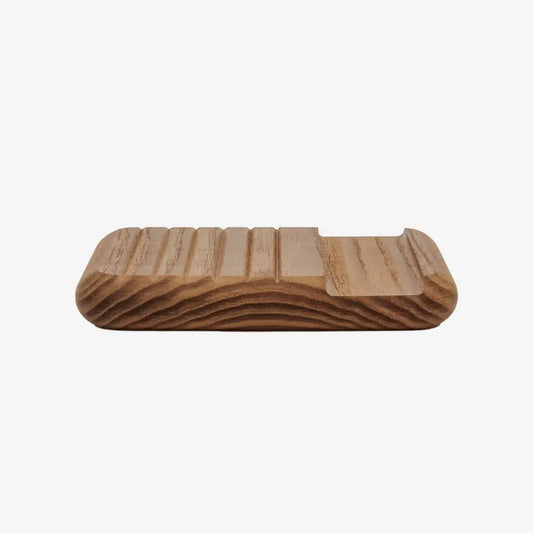
A hand or body soap should be chosen according to skin type. Dry skin prefers a superfatted or highly nourishing version. Oily skin will appreciate a more neutral soap to avoid clogging pores. Those prone to irritation should opt for a soap for sensitive skin or a cleansing cream without unnecessary additives. Some choose a soap dish to prolong the product's lifespan .
The differences between cold-process and heated soap depend on the saponification process. Cold-process soap retains more unprocessed fatty acids, which improves skin comfort. Compared to a heated version, it dries more slowly but remains gentler. There are also specific soaps like black soap or Castile soap, highly valued for their simple formulation.
Everyday uses of soap
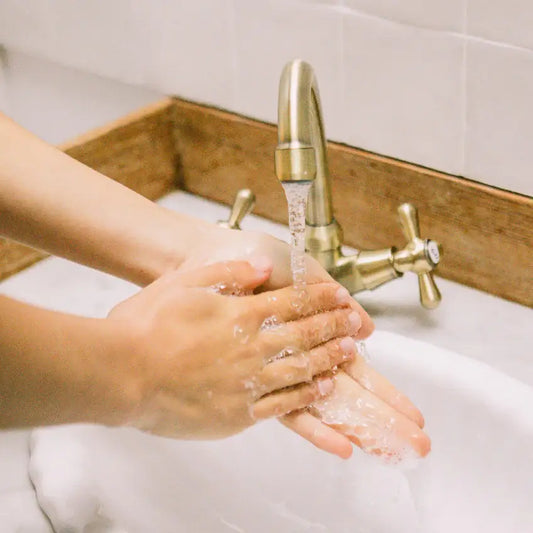
In our daily routine, we use soap to wash our hands, body, and even hair. Some people use a bar of soap as shampoo, especially when they want to limit their exposure to synthetic substances. A suitable soap can also be used for beards, providing extra care for this part of the face. A cleansing cream or liquid soap can be used in the bath or to rinse hair with tap water.
Soap is part of a cleansing routine and should be chosen according to the time available and the desired experience. A scented soap adds a pleasant sensory touch. A fragrant exfoliating soap helps remove dead skin cells. A simple, unscented soap is ideal for sensitive skin. Throughout the week, from Monday to Friday, everyone can adapt their routine to meet their skin's changing needs.
Soaps can also be used for other tasks, such as cleaning stained clothing or caring for fabrics like cotton. Some artisans still use ancient techniques based on ash or salt to make soap. These techniques recall very old traditions derived from the Latin word "sapo" and allow for the rediscovery of authentic soap making.
Making your own soap: a step-by-step guide
Making soap at home is both educational and satisfying. The saponification process requires a precise mixture of fats, fatty acids, water, and sodium or potassium hydroxide. The aqueous phase combines with the oil phase to form a solid soap. You can choose a scented or unscented version, add color or shea butter, and create a soap tailored to your personal needs.
Making soap at home requires strict adherence to safety rules, as lye is a corrosive substance. The mixture must be carefully monitored to prevent any accidents. Once the paste is poured into a mold, it takes several months to obtain a hardened soap ready for use. Some people choose a solid, exfoliating , fragrant soap, such as a Provence-style soap , to add extra comfort to their bath.
Homemade soap can be used on the face, body, beard, or even hair. It should be stored in a dry place , ideally on a soap dish. Drying time depends on the amount of water in the soap paste and the ambient temperature. Once ready, this soap can be given as a gift or incorporated into your daily routine.
The skin minimal soap: the innovation of ultra-targeted soap
Minimalist soaps are enjoying increasing popularity. They use fewer ingredients and respect the skin's natural balance. These soaps are often organic and suitable for sensitive skin. They can be used on the face, hands, beard, or body. Their formulations may include ingredients such as fatty acids, carboxylic acids, or carboxylates for targeted action on specific areas of the body.
This trend reflects a need for simplicity. Many people are looking for a soap that is gentle on the skin, without unnecessary ingredients, and that easily fits into a cleansing routine. These soaps are often available in cube or solid form and are made in artisanal soap factories. They respect the raw materials and avoid unnecessary additives such as laureth sulfate, making them gentler and more respectful of the skin.
Forma Concept Store offers a variety of minimalist and organic soaps that everyone can discover according to their preferences. Each product is carefully described, and ordering is easy online. Delivery is often free, depending on current offers. The site offers a simple purchasing process, fast shipping, and reliable service, making it a leading online concept store for those seeking quality soap and adhering to their values.
Delivery and practical information
When purchasing from a website like Forma Concept Store, free delivery may apply depending on the order amount. Every order shipped from a location in the south of France or from a French soap factory offers detailed tracking. Shipping may or may not be free depending on the conditions, but in all cases, the shipping costs are clearly indicated.
The customer can therefore receive their body soap, hand soap or face soap in good conditions and enjoy a suitable treatment from Friday or during the week, according to the usual deadlines.