


-
 -10%Sale
 -

 -10%Sale
 -

 -10%Sale
 -

 -10%Sale
 -

 -10%Sale
 -

 -10%Sale
 -

 -10%Sale
 -
 -10%Sale
 -

 -10%Sale
 -
 -10%Sale
 -

 -10%Sale
 -
 -10%Sale
 -

 -10%Sale
 -

 -10%Sale
 -

 -10%Sale
 -

 -10%Sale
 -
 -10%Sale
 -

 -10%Sale
 -
 -10%Sale
 -
 -10%Sale
 -
 -10%Sale
 -

 -10%Sale
 -

 -10%Sale
 -
 -10%Sale
 -

 -10%Sale
 -

 -10%Sale
 -

 -10%Sale
 -

 -10%Sale
 -
 -10%Sale
 -

 -10%Sale
 -

 -10%Sale
 -

 -10%Sale
 -

 -10%Sale
 -

 -10%Sale
 -

 -10%Sale




















Customer reviews
Excellent


Parfait
J ai commandé un vase Moon pour un cadeau il y a deux semaines. Produit reçu très rapidement, et le cadeau a beaucoup plu donc super contente de mon achat!!!
Super expérience avec Forma !
Super expérience avec Forma ! J ai commandé il y a quelques jours et je n ai rien à redire. La livraison s est bien passée, les produits correspondent exactement aux photos et la qualité est vraiment au top.
Très bonne expérience
Très bonne expérience. On a envie de tout acheter. Expédition rapide et bien protégé. Je recommande à 100%.
Produits originaux
Sélection de produits originaux ! Avec Noël qui approche, ça me rassure :) Livraison soignée et dans les temps. J aime beaucoup la rubrique produits soldés à cause des défauts d emballage.
Mon nouvel e-shop favori
J ai découvert cette superbe boutique en ligne par hasard sur Instagram et j ai été charmé par la diversité et l originalité des produits qu elle propose. Puis j ai été définitivement séduit par ses engagements en termes d inclusion et de diversité.
Incroyable comme concept store
Incroyable comme concept store ! On trouve de tout, chaque produit donne envie. Le mug teckel est trop beau ! Un concept cool avec de bonnes valeurs.
Service client au top
J ai eu un petit souci avec ma commande et le service client a été très réactif. Problème résolu en 24h et j ai même reçu un petit cadeau en compensation. Bravo !
Qualité impeccable
Commande reçue rapidement et emballage soigné. Les produits sont de très belle qualité, exactement comme sur les photos. Je recommande vivement !
Découverte géniale
Tombé sur cette boutique par hasard et quelle belle surprise ! Des produits originaux, une livraison rapide et un service client aux petits soins. Parfait !
Excellent choix de produits
Une sélection vraiment unique ! J ai trouvé plein de cadeaux originaux pour Noël. La qualité est au rendez-vous et l expédition très soignée.
Site fiable et original
Site très fiable ! Les produits sont conformes aux descriptions et les designs sont juste incroyables. Je recommande sans hésiter.
Toujours un plaisir
Ce n est pas ma première commande et je suis toujours aussi ravie. Les produits sont superbes et l emballage est impeccable.
Envoi rapide et soigné
Très satisfaite de mon achat ! L expédition a été rapide, le colis bien emballé, et les produits sont de qualité. Je recommanderai.
Superbe boutique en ligne
J adore le concept ! De beaux objets, un service rapide et un vrai engagement éthique. Une belle découverte que je conseille.
Belle surprise
J ai commandé pour la première fois sur ce site et je suis très contente. Les produits sont magnifiques et la livraison très rapide.
Expérience parfaite
Tout s est parfaitement déroulé, du passage de la commande à la réception. Produits conformes et service client très à l écoute.
Je recommande vivement
Première commande et sûrement pas la dernière ! Livraison rapide, produits superbes, et service client irréprochable.
Understanding the role of a nourishing shampoo
Definition and distinction from other shampoos
A nourishing shampoo is a hair care product whose formula emphasizes lipid- and protein-rich ingredients. It deeply nourishes the hair fiber, repairs dry hair, and makes hair more supple and silky. Unlike a classic first shampoo, it doesn't just cleanse: it cleanses gently and provides long-lasting protection.
Often, this type of shampoo is formulated without laureth sulfate and silicone, making it more respectful of scalp health. This clear description highlights the difference from a classic moisturizing or repairing shampoo.
Expected benefits for hair
A certified organic nourishing shampoo intensely nourishes the hair fiber, repairs damaged ends, and makes hair shiny. Its benefits are visible as soon as a regular routine is established. By applying the product to wet hair and rinsing it thoroughly with water (aqua), it leaves a pleasant smell and softness that appeals to many customers.
Formulated without controversial ingredients such as sodium laureth sulfate or silicones, it also respects sensitive scalps. Verified reviews often highlight that it makes hair supple, easy to style, and silky from the first use.
Who is nourishing shampoo for?
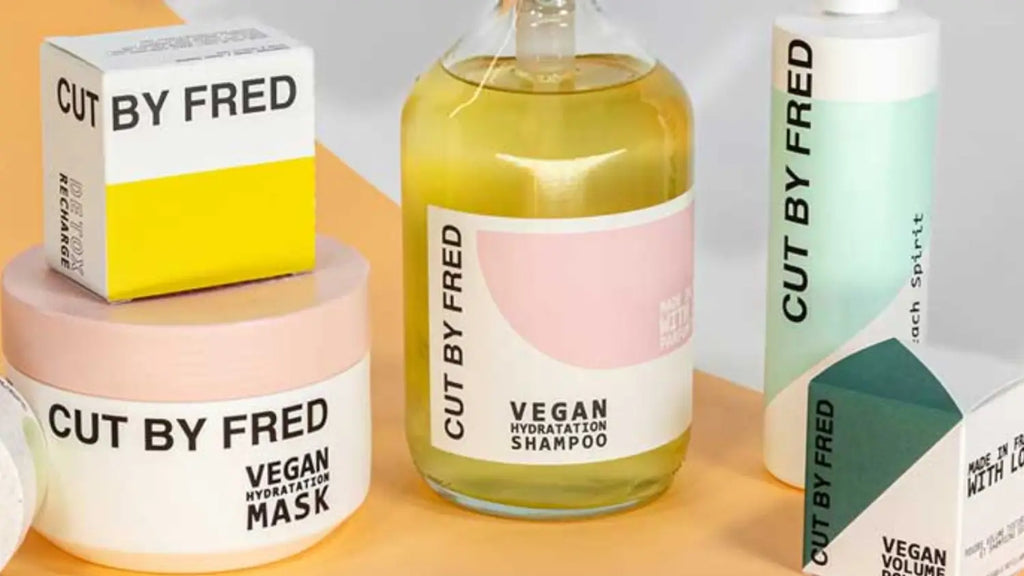
Hair types that need it most
This organic nourishing shampoo is particularly suitable for dry, curly, or coily hair. Color-treated or heat-damaged hair also finds it a great ally, as it effectively repairs and nourishes. Hydrolyzed proteins, such as almond protein, strengthen the hair fiber and make it more resilient.
Formulated with natural ingredients and sometimes certified organic according to European standards, this shampoo is also suitable for people looking for vegan and biodegradable products. It is part of a cosmetic range that respects organic farming and animal welfare.
Common mistakes in choosing shampoo
Some customers confuse repairing, moisturizing, and nourishing shampoos, which sometimes leads to a poor experience. Choosing an overly rich formula can weigh down fine hair, while a shampoo that is too light may not repair enough. It is also essential to check the INCI list and verify if the product is formulated without harsh sulfates, polyquaternium, or acrylates that can irritate.
European regulations require clear labeling of ingredients such as sodium chloride, sodium benzoate, citric acid, or cocamidopropyl betaine. Taking the time to read this information helps ensure a purchase that aligns with your hair needs and health.
Key ingredients of a good nourishing shampoo
Essential vegetable oils and butters
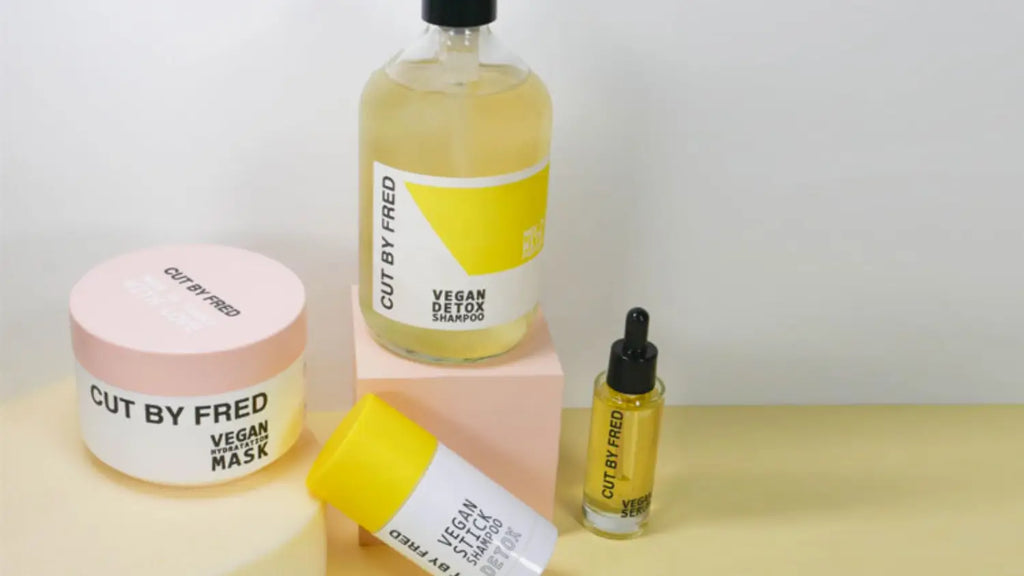
The best nourishing shampoos are enriched with vegetable oils like argan oil, jojoba seed oil, or sweet almond. These oils nourish the fiber and provide incomparable softness to the hair. Shea butter from organic farming protects the fiber and repairs fragile areas.
These ingredients, combined with aloe vera and coconut extracts (coconut oil or decyl glucoside derived from coconut), provide complete nourishment. This formulation makes hair more supple and shiny while respecting scalp health.
Complementary active ingredients
In addition to oils, hydrolyzed proteins play a key role. Rice protein, almond protein, or quinoa protein are often found. These active ingredients strengthen the fiber and make it more resilient. Ingredients like potassium sorbate, benzyl alcohol, linalool, or fragrance are sometimes present to stabilize the formula or lightly perfume it.
Under strict European regulations, each element is listed to ensure transparency and safety. Some shampoos are also dermatologically tested to ensure they respect scalp health and repair the fiber from within.
What to avoid
An effective nourishing shampoo should be formulated without harsh ingredients. Laureth sulfate and cocamidopropyl betaine used in excess can irritate sensitive scalps. Silicones, polyquaternium, or acrylates create an artificial barrier that prevents active ingredients from penetrating.
Synthetic fragrances like benzyl or certain strong fragrances can also pose health problems. Choosing a certified organic nourishing shampoo that complies with European regulations ensures a respectful, biodegradable, and cruelty-free formulation. This also meets the expectations of customers concerned with clean and vegan cosmetics.
How to properly use your nourishing shampoo?
The right washing frequency
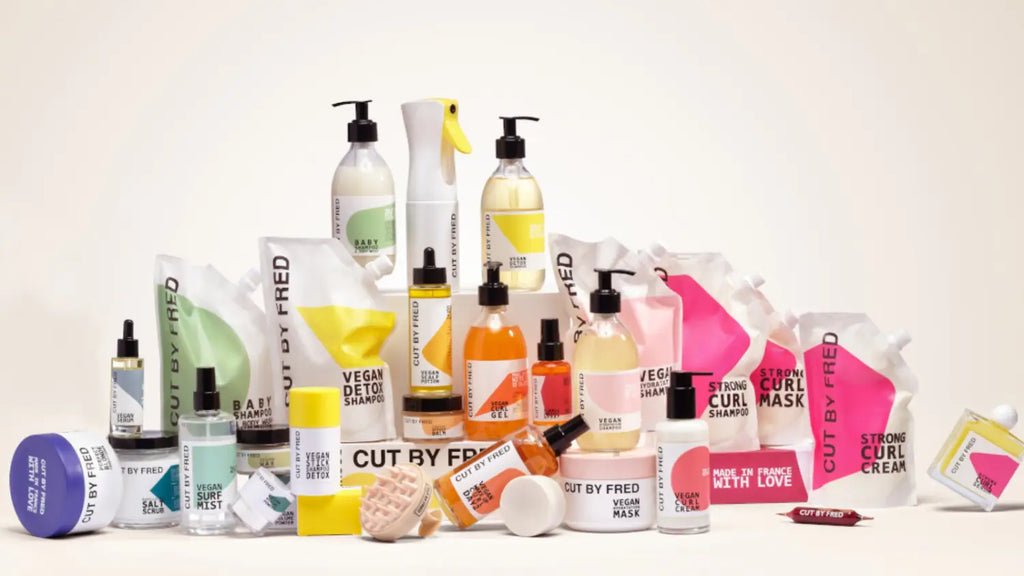
To ensure efficiency and respect for the hair fiber, it is advisable to use nourishing shampoo 1 to 2 times a week. Excessive use could saturate the hair and make it heavy. Alternating with a gentle, sulfate-free, and biodegradable shampoo helps maintain a good balance.
Customers report in their verified reviews that the right frequency makes hair supple, shiny, and easy to style. This establishment of a balanced routine aligns with the recommendations of cosmetic experts.
Optimal technique
Nourishing shampoo should always be applied to wet hair. A small amount of product should be applied, gently massaged into the scalp, and contact with the eyes should be avoided. The lather, often created by gentle surfactants like decyl glucoside or cocamidopropyl betaine, cleanses without harshness.
It is important to rinse thoroughly with lukewarm water (aqua, water) to preserve the health of the hair fiber. Practical advice also suggests viewing the product as a treatment rather than just a cleanser.
Combine with other hair care products
To complement the benefits of the certified organic nourishing shampoo, it is recommended to add a conditioner from the same range. This further nourishes and makes hair supple and shiny. A weekly hair mask formulated without sulfates and rich in oils from organic farming provides more intense nourishment.
Complementary treatments such as a powder oil or a vegan serum seal in moisture and prolong hair softness. By following this protocol, hair maintains optimal shine and health day after day.
Comparison of nourishing shampoos
Classic liquid shampoos
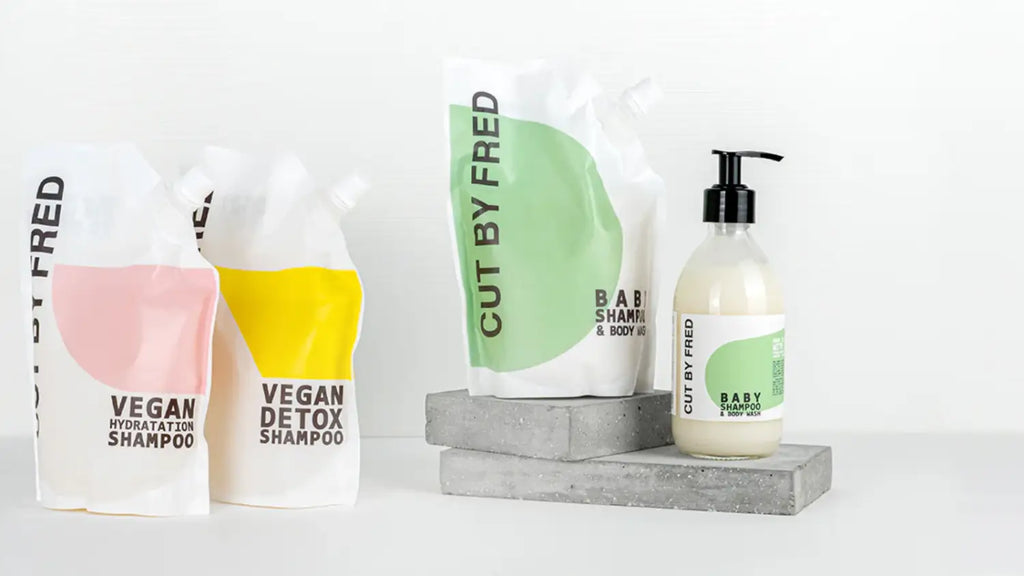
Liquid nourishing shampoo is the most common in European cosmetics. It comes in a classic bottle, often with a precise description of the INCI list. These products generally contain aqua, sodium benzoate, citric acid, cocamidopropyl betaine, sodium chloride, and potassium sorbate.
Formulated without harsh sulfates and with natural oils, they provide complete nourishment. Their pleasant scent and creamy texture appeal to customers, who do not hesitate to give positive verified reviews after use.
Solid nourishing shampoos
Solid shampoos represent an eco-responsible highlight. Their biodegradable formulation avoids excess plastic packaging and complies with European cosmetic regulations. Generally, they are derived from organic farming and contain gentle surfactants such as decyl glucoside.
They cleanse effectively without harshness and repair the fiber thanks to hydrolyzed proteins and oils like almond or jojoba seed oil. Customers appreciate their effectiveness and the option to add a vegan and zero-waste product directly to their cart.
Organic and natural shampoos
Organic nourishing shampoo is part of a certified organic range according to an official standard. It is formulated without animal-derived ingredients, dermatologically tested, and complies with European regulations. It often contains aqua, coconut oil, natural fragrance, citric acid, and sodium benzoate, all from organic farming.
These vegan and biodegradable products bring softness, shine, and health to the hair. Customers can view the detailed description, read verified reviews, and add the product to their cart with complete confidence.
The invisible impact of nourishing shampoo
Effects on the scalp and hair microbiome
A nourishing shampoo formulated without harsh sulfates also acts on the scalp. By nourishing the microbial flora, it ensures an essential balance for hair health and beauty. Ingredients like hydrolyzed protein and seed oil strengthen the fiber from within.
Clinically tested, it respects the skin and avoids reactions to irritating compounds like benzyl alcohol or linalool. This invisible impact, often overlooked, is nevertheless one of the major benefits of a certified organic nourishing shampoo.
Eco-responsibility and circularity
The emphasis on eco-responsibility is a growing expectation from customers. A vegan and biodegradable nourishing shampoo complies with European cosmetic regulations. Formulated without sulfates, silicones, and derived from organic farming, it repairs and nourishes while reducing environmental impact.
Some brands even offer a powder version to be reconstituted with water, which reduces transport and carbon footprint. These products, often certified organic, illustrate a new approach to cosmetics where hair benefits and planet health go hand in hand.
The future: personalization through digital hair diagnostics
Today, many digital tools allow you to see which nourishing shampoo is most suitable. Applications analyze the hair fiber and suggest a personalized formula. Thanks to this innovation, customers receive precise recommendations and can directly add the product to their cart.
This personalization respects the European regulatory framework and is part of the custom cosmetics trend. Tested and approved, this service ensures a more complete customer experience, where verified reviews and practical application meet.
Practical advice for choosing your nourishing shampoo
Reading a label effectively
It is essential to check the INCI list of a nourishing shampoo to verify its composition. Ingredients such as aqua, cocamidopropyl betaine, sodium chloride, sodium benzoate, potassium sorbate, citric acid, glycol, acrylate, or polyquaternium should be understood. A shampoo formulated without laureth sulfate, without synthetic fragrance, and certified organic ensures respect for scalp health.
Customers should also be wary of greenwashing and verify the presence of ingredients from organic farming. Reading the description and consulting verified reviews helps make an informed choice.
Test before adopting
A nourishing shampoo should be tested over several washes to ensure its effectiveness. Apply a small amount to wet hair, avoid contact with eyes, then rinse thoroughly. Within a few days, hair becomes more supple, shiny, and silky.
Customers often share their verified opinions on hair softness and formula quality. A good product, compliant with European regulations, will repair and nourish the hair fiber from within while respecting scalp health.
Promote a simple and consistent routine
To get the most out of a certified organic nourishing shampoo, it should be integrated into a consistent range. Adding an organic conditioner and a weekly vegan mask ensures a complete routine.
These treatments, often biodegradable and sulfate-free, enhance the shampoo's effects. Customers can easily add the product to their cart on e-commerce sites, read the description, and consult customer service if they have questions. This establishment of a simple and natural routine makes hair silky, nourishes the fiber, and respects overall health.

Delivery within 48 hours

Secure Payment

French company
