


-

 -10%Sale
 -

 -10%Sale
 -

 -10%Sale






Customer reviews
Excellent


Parfait
J ai commandé un vase Moon pour un cadeau il y a deux semaines. Produit reçu très rapidement, et le cadeau a beaucoup plu donc super contente de mon achat!!!
Super expérience avec Forma !
Super expérience avec Forma ! J ai commandé il y a quelques jours et je n ai rien à redire. La livraison s est bien passée, les produits correspondent exactement aux photos et la qualité est vraiment au top.
Très bonne expérience
Très bonne expérience. On a envie de tout acheter. Expédition rapide et bien protégé. Je recommande à 100%.
Produits originaux
Sélection de produits originaux ! Avec Noël qui approche, ça me rassure :) Livraison soignée et dans les temps. J aime beaucoup la rubrique produits soldés à cause des défauts d emballage.
Mon nouvel e-shop favori
J ai découvert cette superbe boutique en ligne par hasard sur Instagram et j ai été charmé par la diversité et l originalité des produits qu elle propose. Puis j ai été définitivement séduit par ses engagements en termes d inclusion et de diversité.
Incroyable comme concept store
Incroyable comme concept store ! On trouve de tout, chaque produit donne envie. Le mug teckel est trop beau ! Un concept cool avec de bonnes valeurs.
Service client au top
J ai eu un petit souci avec ma commande et le service client a été très réactif. Problème résolu en 24h et j ai même reçu un petit cadeau en compensation. Bravo !
Qualité impeccable
Commande reçue rapidement et emballage soigné. Les produits sont de très belle qualité, exactement comme sur les photos. Je recommande vivement !
Découverte géniale
Tombé sur cette boutique par hasard et quelle belle surprise ! Des produits originaux, une livraison rapide et un service client aux petits soins. Parfait !
Excellent choix de produits
Une sélection vraiment unique ! J ai trouvé plein de cadeaux originaux pour Noël. La qualité est au rendez-vous et l expédition très soignée.
Site fiable et original
Site très fiable ! Les produits sont conformes aux descriptions et les designs sont juste incroyables. Je recommande sans hésiter.
Toujours un plaisir
Ce n est pas ma première commande et je suis toujours aussi ravie. Les produits sont superbes et l emballage est impeccable.
Envoi rapide et soigné
Très satisfaite de mon achat ! L expédition a été rapide, le colis bien emballé, et les produits sont de qualité. Je recommanderai.
Superbe boutique en ligne
J adore le concept ! De beaux objets, un service rapide et un vrai engagement éthique. Une belle découverte que je conseille.
Belle surprise
J ai commandé pour la première fois sur ce site et je suis très contente. Les produits sont magnifiques et la livraison très rapide.
Expérience parfaite
Tout s est parfaitement déroulé, du passage de la commande à la réception. Produits conformes et service client très à l écoute.
Je recommande vivement
Première commande et sûrement pas la dernière ! Livraison rapide, produits superbes, et service client irréprochable.
Understanding the Role of Deodorant
Difference Between Deodorant and Antiperspirant
A deodorant is not an antiperspirant, and this distinction is crucial for any informed purchase. Deodorant is a cosmetic product intended to mask or neutralize perspiration odors thanks to a composition often enriched with natural ingredients like aloe vera or cotton flower.
Conversely, antiperspirant deodorant or roll-on deodorant blocks perspiration by obstructing pores with aluminum and potassium salts, which regulates perspiration but can disrupt a natural phenomenon. This choice therefore means either preserving the biological cycle or artificially modifying it, sometimes with health risks.
Why Do We Sweat?
Sweating is a natural phenomenon that regulates body temperature and eliminates toxins. It is odorless at the source, but in contact with skin bacteria, it produces sometimes bothersome odors.
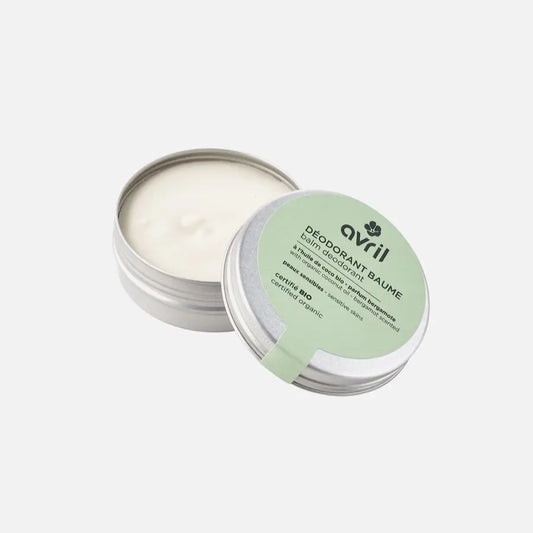
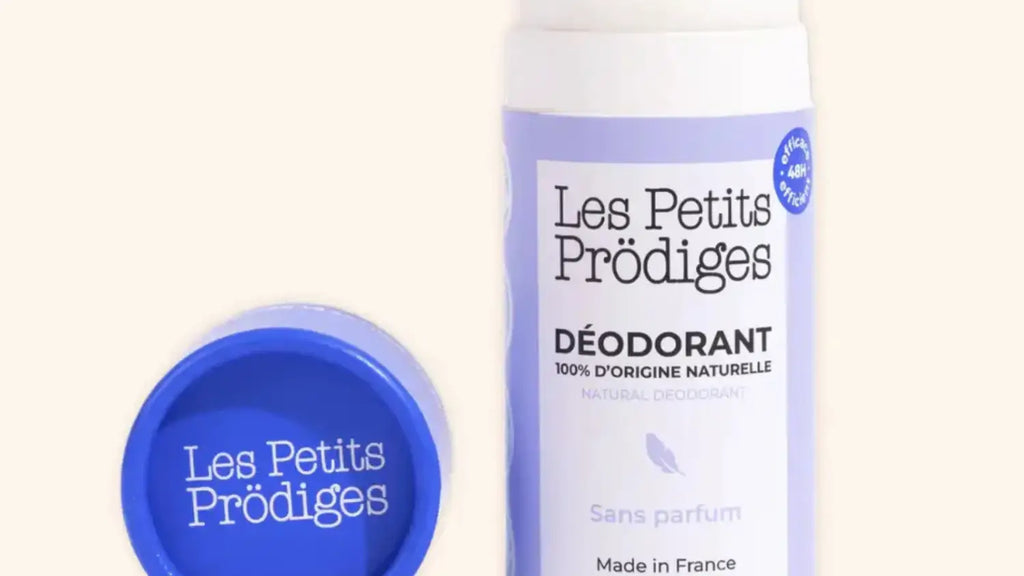
To avoid these perspiration odors, it is possible to apply deodorant in the form of cream deodorant, deodorant balm, stick deodorant, spray deodorant, or roll-on deodorant. Some solid organic deodorants, made from natural ingredients such as cocoa butter, coconut, or lavender essential oil, are perfectly suited for sensitive skin while respecting nature.
Controversial Ingredients in Conventional Deodorants
Many scientific articles warn about the toxic substances present in certain products. Aluminum and potassium salts, although very common in deodorants and antiperspirants, are singled out for their possible link to the risk of cancer, particularly breast cancer.
Other substances like parabens or endocrine disruptors are also problematic. Conversely, a cosmetic product for hygiene can be made with an organic, fragrance-free, paraben-free formula, and enriched with natural ingredients. Choosing an organic, vegan, and pleasant-textured deodorant helps better protect skin and health.
The Different Forms of Deodorants
The Most Common Formats
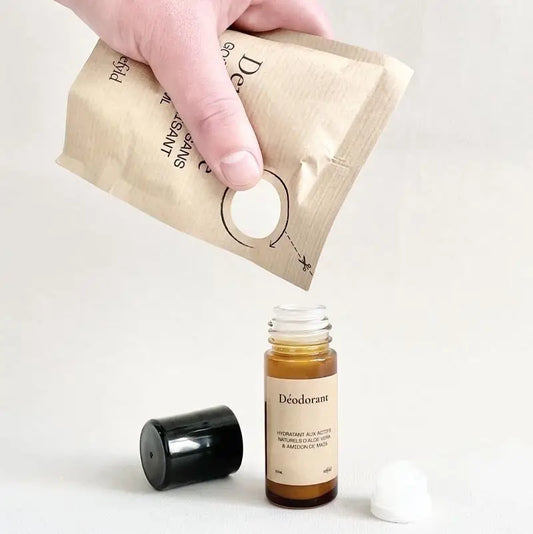
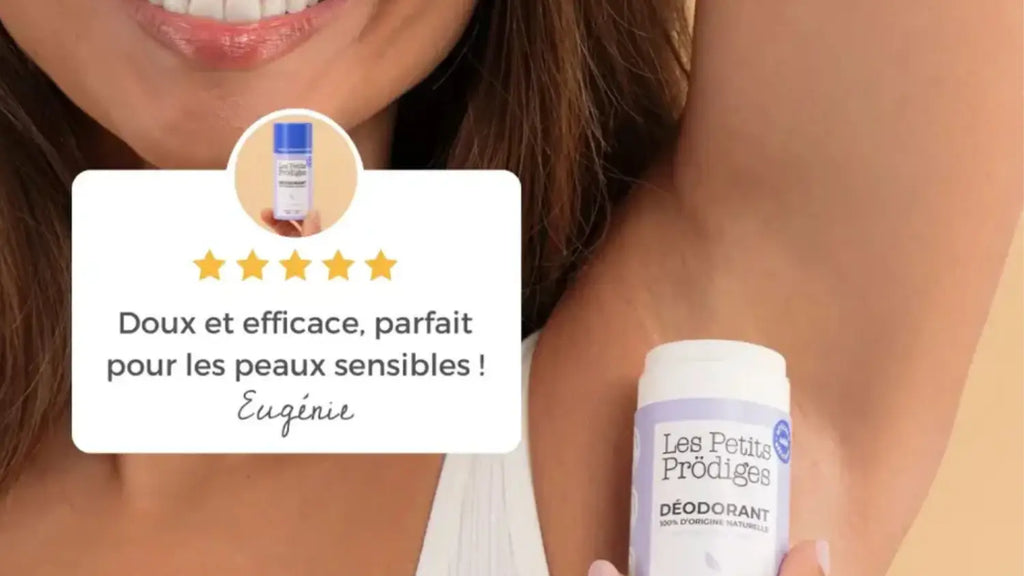
The market offers a wide choice of deodorants and antiperspirants, from roll-on deodorant to spray deodorant, including stick deodorant or cream. Deodorant refills or roll-on deodorant refills are increasingly popular for reducing waste.
Some models include alum stone or crystal stone, known for its protective action and pleasant texture. Solid versions, enriched with cocoa butter, cotton flower, or aloe vera, are appealing for their simple composition and effectiveness. Each format has its advantages in terms of freshness, care, and practicality.
Current Trends
Consumers are now looking for organic and vegan formulas, made from natural ingredients and manufactured in France. More and more deodorants are scented with lavender, geranium, green tea, pine, musk, monoi, or cherry blossom.
Versions with white flower or bergamot scents bring a fresh and pleasant note, while fresh lemon or mint deodorant exudes vitality. Organic ranges are developing, with compositions suitable for both men and women, and even children, always with impeccable quality.
How to Choose Your Natural and Effective Deodorant
Essential Criteria to Consider
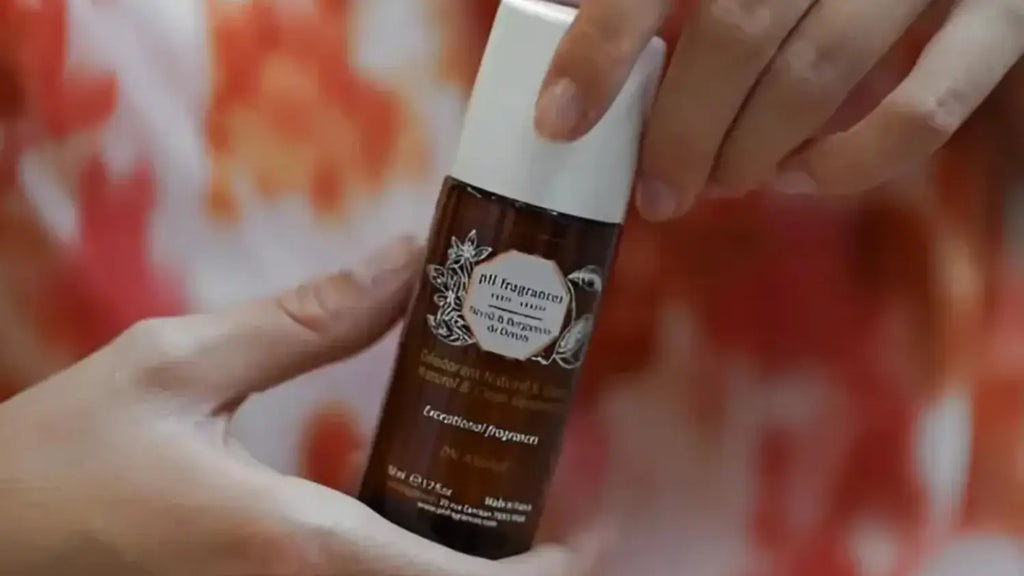
Choosing a solid organic deodorant or a cream deodorant requires carefully examining the composition and natural origin of the ingredients. Formulas enriched with cocoa butter, aloe vera, or coconut provide softness and care to the skin.
People looking for a product without aluminum salts, parabens, and fragrance can find perfect solutions on a specialized website, a boutique, or a pharmacy. For an in-store or online purchase with free delivery, it is essential to check that the roll-on or roll-on deodorant regulates perspiration without causing irritation.
Special Cases
Some deodorants are particularly suitable for sensitive skin, pregnant women, adolescents, or people prone to allergies. Formulas with baking soda should be used with caution as they can leave a white mark on clothing.
For a pleasant texture and protective care, it is better to prioritize ingredients of natural origin and avoid toxic substances. Available ranges include solid organic deodorants scented with geranium, lavender, or green tea, as well as versions specially designed for men. These products, manufactured in France, combine effectiveness and softness for daily use.
Transition to Natural
The transition from a classic antiperspirant to an organic or vegan deodorant may require a few days of adaptation. During this phase, the body breathes again and regains skin balance. A deodorant balm or a solid organic deodorant based on cocoa butter, lavender essential oil, or aloe vera is suitable to accompany this stage.
It is advisable to apply the deodorant regularly, especially during an active day or a sports session, to limit perspiration odors. Over time, the natural composition of these products guarantees pleasant, fresh, and effective care.
Deodorant, Health, and Environment
Impact on Health
Debates around the risk of breast cancer linked to aluminum salts highlight the importance of ingredient choice. Organic formulas, made from natural ingredients and free from endocrine disruptors, represent a protective and healthy alternative.
Using a cosmetic product for hygiene like an organic or vegan deodorant means opting for a safer quality. Brands like Sanex also offer gentle versions suitable for sensitive skin. Regular application of a fresh deodorant with a pleasant texture, whether roll-on, stick, or spray, offers care adapted to every need.
Ecological Impact
The packaging of certain products, especially sprays, generates a lot of waste. New ranges focus on deodorant refills, roll-on deodorant refills, or glass containers to reduce environmental impact.
Cosmetics manufactured in France, often certified organic, use natural ingredients such as cotton flower, aloe vera, or cocoa butter. Buying a deodorant in an ethical boutique or on a specialized website means supporting responsible production. The choice of a cosmetic product for daily care thus becomes a protective act for the planet and pleasant for the skin.
The Future of Deodorant
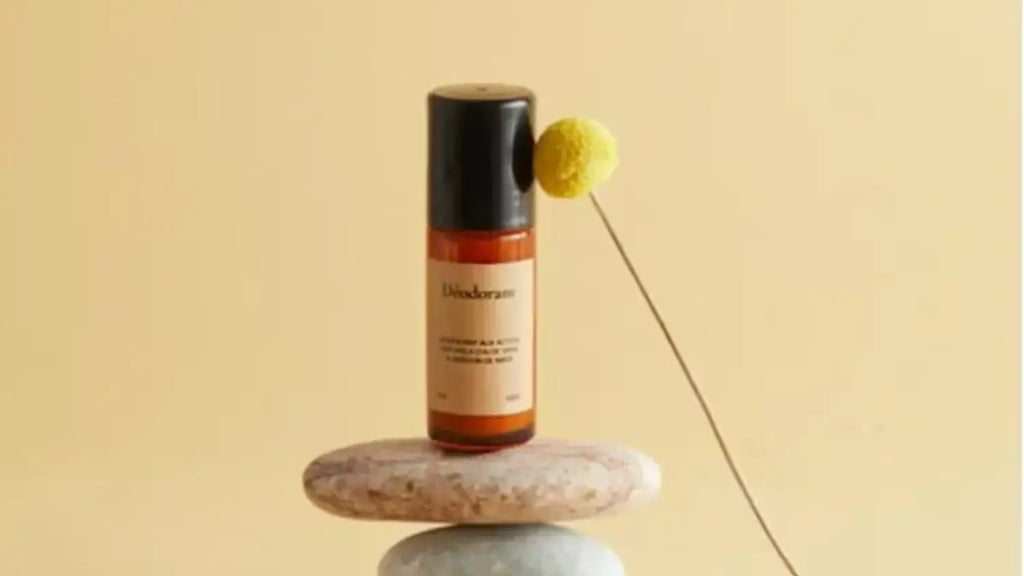
Personalized and Technological Deodorant
The future of cosmetics will involve personalized organic formulas, capable of adapting to each individual's skin microbiome. A cosmetic product intended for natural regulation could thus regulate perspiration without toxic substances. Some prototypes of cream deodorant or solid organic deodorant tested already integrate innovative technologies.
Soon, it might be possible to buy connected deodorants in pharmacies, boutiques, or stores that adapt their diffusion based on the day's needs. These innovations show that the market is breathing new ideas combining health, quality, and respect for the environment.
DIY and Consumer Empowerment
Many consumers now choose to make their own cream deodorant or deodorant balm, using cocoa butter, lavender essential oil, baking soda, or coconut.
This type of homemade cosmetic can be scented with mint, lemon, monoi, or green tea, and is suitable for those who want to control the composition of their care products. However, it is advisable to modify recipes to make them safer and avoid irritation. Such a product remains pleasant, fresh, and protective, while also being economical.
The Sustainable Future
The future of deodorants will involve rechargeable, vegan solutions made with natural ingredients. Brands are already focusing on free delivery and online sales via a specialized website or boutique.
In pharmacy or organic store aisles, you can now find roll-on deodorant refills, solid versions with cocoa butter or green tea, and organic deodorants without aluminum salts. These choices suit everyone, from men to children, and guarantee a pleasant and fragrant texture. Thus, each cosmetic item becomes a perfect care product, protective and respectful of the planet.

Delivery within 48 hours

Secure Payment

French company
