


-
 -10%Sale
 -

 -10%Sale
 -
 -10%Sale
 -

 -10%Sale
 -
 -10%Sale
 -

 -10%Sale
 -

 -10%Sale
 -

 -10%Sale










Customer reviews
Excellent


Parfait
J ai commandé un vase Moon pour un cadeau il y a deux semaines. Produit reçu très rapidement, et le cadeau a beaucoup plu donc super contente de mon achat!!!
Super expérience avec Forma !
Super expérience avec Forma ! J ai commandé il y a quelques jours et je n ai rien à redire. La livraison s est bien passée, les produits correspondent exactement aux photos et la qualité est vraiment au top.
Très bonne expérience
Très bonne expérience. On a envie de tout acheter. Expédition rapide et bien protégé. Je recommande à 100%.
Produits originaux
Sélection de produits originaux ! Avec Noël qui approche, ça me rassure :) Livraison soignée et dans les temps. J aime beaucoup la rubrique produits soldés à cause des défauts d emballage.
Mon nouvel e-shop favori
J ai découvert cette superbe boutique en ligne par hasard sur Instagram et j ai été charmé par la diversité et l originalité des produits qu elle propose. Puis j ai été définitivement séduit par ses engagements en termes d inclusion et de diversité.
Incroyable comme concept store
Incroyable comme concept store ! On trouve de tout, chaque produit donne envie. Le mug teckel est trop beau ! Un concept cool avec de bonnes valeurs.
Service client au top
J ai eu un petit souci avec ma commande et le service client a été très réactif. Problème résolu en 24h et j ai même reçu un petit cadeau en compensation. Bravo !
Qualité impeccable
Commande reçue rapidement et emballage soigné. Les produits sont de très belle qualité, exactement comme sur les photos. Je recommande vivement !
Découverte géniale
Tombé sur cette boutique par hasard et quelle belle surprise ! Des produits originaux, une livraison rapide et un service client aux petits soins. Parfait !
Excellent choix de produits
Une sélection vraiment unique ! J ai trouvé plein de cadeaux originaux pour Noël. La qualité est au rendez-vous et l expédition très soignée.
Site fiable et original
Site très fiable ! Les produits sont conformes aux descriptions et les designs sont juste incroyables. Je recommande sans hésiter.
Toujours un plaisir
Ce n est pas ma première commande et je suis toujours aussi ravie. Les produits sont superbes et l emballage est impeccable.
Envoi rapide et soigné
Très satisfaite de mon achat ! L expédition a été rapide, le colis bien emballé, et les produits sont de qualité. Je recommanderai.
Superbe boutique en ligne
J adore le concept ! De beaux objets, un service rapide et un vrai engagement éthique. Une belle découverte que je conseille.
Belle surprise
J ai commandé pour la première fois sur ce site et je suis très contente. Les produits sont magnifiques et la livraison très rapide.
Expérience parfaite
Tout s est parfaitement déroulé, du passage de la commande à la réception. Produits conformes et service client très à l écoute.
Je recommande vivement
Première commande et sûrement pas la dernière ! Livraison rapide, produits superbes, et service client irréprochable.
Understanding the Essential Role of Accessories
Definition and History
A fashion accessory is an element that completes, transforms, or enhances an outfit, regardless of category or era. As early as the 16th century, belts, jewelry, and rudimentary ties were found, while in the 19th century, handbags and fans were part of daily life for the elegant.
In the 20th century, accessories diversified, with the emergence of new ranges adapted for work or evening wear. 20th-century fashion notably saw the rise of costume jewelry, the democratization of fine jewelry, and an increasing emphasis on originality. Today, each accessory has a clear purpose: to be useful, highlight the wearer's personality, and elevate any outfit.
Why do accessories matter more than clothes themselves?
A simple top or a plain dress can be completely transformed with a selection of well-chosen accessories. For example, a silk tie, a fancy bow tie, or an ethnic jewelry bracelet creates a unique identity. These items provide immediate feedback on the wearer's social status and originality.
Accessories don't just decorate: they enhance the silhouette, emphasize the waist, or draw attention to the face. Regardless of the price or fashion house, an accessory is key to developing one's personal image.
The Main Categories of Fashion Accessories
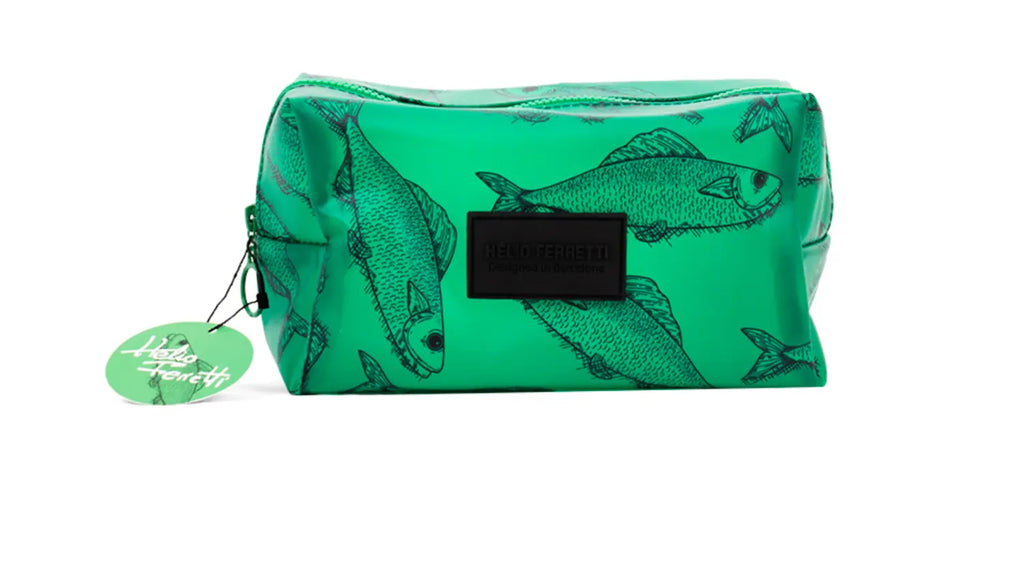
Jewelry
Jewelry is an indispensable category in fashion. Chains, bracelets, rings, and necklaces have existed for centuries and adapt to each generation. Traditional fine jewelry coexists with costume jewelry, which allows for the purchase of original items at a more accessible price.
Regardless of the level of sophistication, jewelry highlights the beauty of a woman or the presence of a man. Online offerings have expanded considerably, providing a complete range, from the most classic to the most original. As Bruno Remaury analyzed in his work on the development of fashion, jewelry always reflects social status.
Leather Goods
Handbags, wallets, belts, and belt loops belong to leather goods. An item like a bag can be much more important than it seems: it enhances the silhouette, accompanies the wearer in their work, and adds a touch of originality. This category perfectly illustrates how utility and style come together.
Bags come in a wide range of prices, and every online store now offers a selection to suit all tastes. Leather goods are also an example of technical development, with innovative fabrics, worked leather, or even fancy prints.
Textile Accessories
Textile accessories include ties, silk scarves, printed scarves, gloves, bow ties, and hats. Their purpose is both to protect and to create a strong image. These items often come from the world of fashion shows, where every fabric and every range is designed to emphasize the wearer's originality.
They come in all sizes and categories, from practical to fancy. Regardless of the job or occasion, a simple silk scarf can elevate any outfit and add a chic touch.
Eyewear and High-Tech Accessories
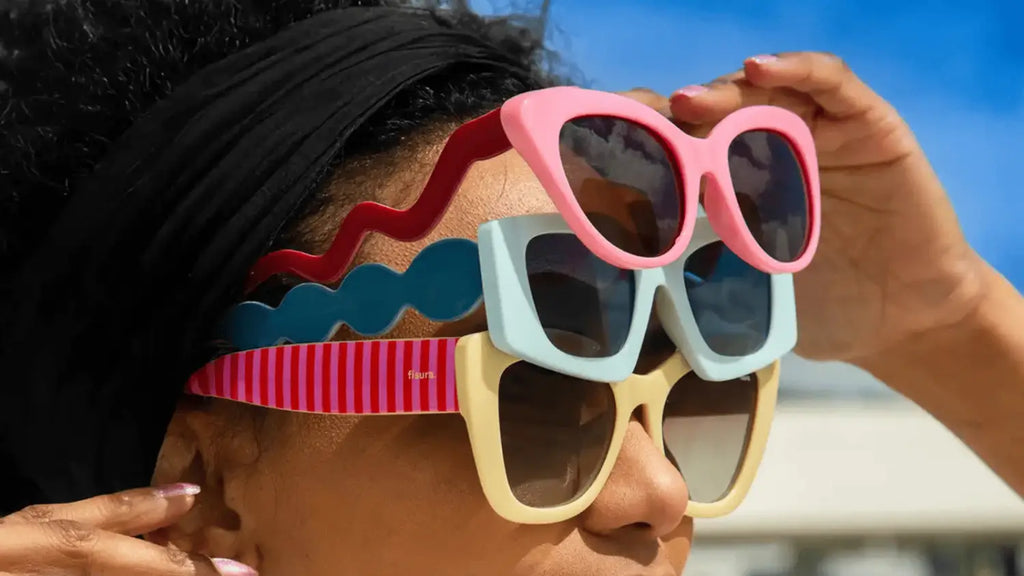
Glasses (or sunglasses) have become much more than a practical object: they are a fashion item in their own right. Regardless of social group, they highlight the gaze and create an aura of mystery.
Today, there are also high-tech accessories like smartwatches or bags with integrated chargers. Their technical development demonstrates the blend of utility and style. Buying this type of product online has become common, as stores offer competitive prices and a varied selection.
Footwear and Other Complements
Footwear is often classified in a different category than accessories, but it remains a central element of a look. Regardless of the brand or range, a pair of shoes can enhance the silhouette, highlight the style, and complete a runway look.
Using an original or fancy pair allows for the addition of a touch of print or color, creating coherence in the outfit. Example: embroidered fabric shoes with a matching fan form perfect harmony.
Choosing and Caring for Your Accessories Well
Adapting to Your Personal Style
There are different types of accessories that reflect the wearer's personality. A minimalist style will use simple and useful pieces, while a fancy style will prefer printed and original items. Regardless of the chosen category, the goal is to emphasize the waist, back, or detail level of an outfit.
A common example is the combination of costume jewelry and fabric handbags to create a unique look. Regardless of the initial outfit, accessories always enhance the overall look.
Caring for Your Pieces to Make Them Last Longer
A well-maintained accessory remains a durable item, whether it's glasses, a silk tie, or leather bags. There are simple techniques to use, such as gentle fabric cleaning or repairing chains and belt loops.
Stores also offer return and sustainability services, allowing each piece to last longer. Maintenance is therefore an ecological and economic goal. Regardless of the price or brand, a well-cared-for accessory retains its originality and can transcend trends.
Accessories and Sustainability: A Committed Choice
New Ethical Materials
Today, there is a real range of ethical materials in the accessory domain. Recycled fabric, organic silk, or recycled metal chains offer a sustainable alternative. This technical development meets the goal of responsible consumption.
Buying this type of item in-store or online, regardless of the category, allows one to enhance their style while respecting the environment. The price may vary, but each piece highlights originality and commitment.
Consume Less but Better
Regardless of the social group, it is becoming more relevant to prioritize quality over quantity. A smaller but durable selection of accessories is preferable to an accumulation of disposable items.
There are even online platforms that allow buying, exchanging, or renting accessories, regardless of their range. This slow fashion approach is an example of responsible development, which emphasizes the importance of thoughtful consumption.
Accessories as a Tool for Inclusion
Accessories are also a powerful social tool. They create equality among wearers, regardless of their social status. For example, there are ranges adapted for people with disabilities, with magnetic clasps or easy-to-use shoes.
These items, often developed by specialized brands, highlight the importance of accessories as an inclusive element. Regardless of the price, their purpose is to facilitate daily life and allow everyone to enhance their style with originality.
Current and Future Trends in Fashion Accessories
Seasonal Must-Haves
Each fashion show highlights a selection of items that enhance the silhouette. Original handbags, costume jewelry, silk ties, and printed shoes are examples of trends.
Regardless of the starting outfit, these accessories bring an additional level of elegance. Online stores facilitate access to the latest range, with prices suitable for everyone.
The Influence of Celebrities and Social Media
Celebrities and influencers play a key role in trend development. A group of icons can impose a particular tie or pair of glasses in a few days thanks to social media.
This influence is a concrete example of the rapid return of trends, regardless of the category or price of the item. Online shopping then becomes the reflex for following these waves of originality.
Tomorrow: Augmented Accessories
The future of accessories is taking shape through technical and digital development. Regardless of the brand or category, there are now applications that create virtual try-ons. Augmented reality glasses, 3D printed shoes, or connected bow ties are already being tested.
Their goal is to enhance the wearer's experience and highlight a new level of creativity. Regardless of the price or store, these items represent the latest innovation and open a new page in the history of fashion.

Delivery within 48 hours

Secure Payment

French company
