The essentials to know in 30 seconds: why is a toothbrush a crucial item for your health?
The toothbrush plays a vital role in the French hygiene market, as it directly contributes to maintaining a bright smile and protecting gums. Regular use helps reduce plaque, eliminate bacteria responsible for many inflammations , and maintain good daily hygiene.
This article explores how this tool, sometimes perceived as a mere accessory, influences oral health month after month. The models available today, whether manual or electric, offer a level of care tailored to every need. Whether you choose a soft toothbrush, an eco-friendly toothbrush, or an Oral-B toothbrush, each product has features designed to improve brushing effectiveness.
Understanding the world of toothbrushes: types, innovations and uses
The world of toothbrushes has seen significant changes in the past month, with an ever-expanding and more diverse range of options. From classic plastic models to versions made in France, and even natural alternatives made from recycled materials, everyone can find a product suited to their daily routine.
Recent innovations are moving towards pre- or post-recycled content, a rechargeable head, or a handle made of wood sourced from responsible suppliers. These new products fully contribute to sustainable development through the use of recycled materials and certifications such as the Climate Pledge Friendly program. The final choice depends on the extent to which the user wishes to integrate ecological values into their routine.
Types of toothbrushes: a complete overview
Manual toothbrushes are the simplest way to brush your teeth, with a wide range of filaments and soft bristles to suit different sensitivities. Some are made in France or from recycled materials to offer more environmentally friendly alternatives.
Electric toothbrushes offer an automated brushing mode that simplifies daily maintenance and helps remove plaque more effectively. Eco-friendly toothbrushes often combine a replaceable brush head, natural materials, and a handle made of wood from sustainably managed forests. Specialized models, such as those designed for children or braces wearers, take into account the smaller size of mouths and the need for precise brushing.
How does an electric toothbrush work?
The electric toothbrush uses a rechargeable battery with varying battery life depending on the model. Some versions even include a mode inspired by the Oral-B Pro, although this comparison is primarily technical rather than commercial. The rotation, oscillation, or vibration of the bristles removes plaque more effectively than an irregular manual brushing motion.
After use, simply rinse the brush head to ensure optimal care and prevent bacteria buildup. Modern models use recycled materials and are eligible for sustainability programs to minimize their environmental impact. Integrated pressure sensors, position detectors, and timers improve brushing precision.
Innovation: How are new technologies transforming brushing?
Innovations multiply every month, with recycled content used in the product and smart features capable of analyzing brushing patterns. Users can supplement their cleaning routine with dental floss, a water flosser, or a rechargeable brush head to enhance its effectiveness.
Natural materials and environmentally friendly technologies demonstrate a genuine industrial commitment. Some brushes now allow for recycled content analysis to determine the percentage of sustainable materials used in their design. As new products emerge, they reflect the sector's progress toward better protecting the planet.
Choosing the right toothbrush: an expert's guide
Choosing a toothbrush depends on specific criteria such as size, comfort , and durability. A soft-bristled toothbrush is often recommended to minimize irritation while still providing a thorough clean. Models made from recycled materials or manufactured in France support a local, socially responsible business.
Rechargeable versions or those with interchangeable brush heads are part of a sustainable development approach. It's also important to check that the product has features suited to your specific use, particularly regarding filament, weight, and grip. All these elements contribute to optimal care and a radiant smile.
The determining criteria validated by dentists
Dentists emphasize the importance of choosing a toothbrush with soft bristles , as this helps protect gums and prevents premature wear. Toothbrushes made in France using responsibly sourced materials often offer additional guarantees.
Eco-friendly models that consider the percentage of recycled content used in the product allow for better environmental preservation. The wooden handle offers a natural and comfortable grip , while the replaceable head reduces waste. Every item sold must meet minimum quality standards to guarantee optimal performance.
Which toothbrush is right for you?
Each user has a different lifestyle, which influences the choice of toothbrush. Sensitive teeth require a soft toothbrush with gentle bristles, while those in a hurry may prefer a rechargeable model with a long battery life.
Children need smaller, easy-to-rinse toothbrushes in attractive colors. Those who prefer natural solutions will opt for an eco-friendly toothbrush made from recycled materials or with a handle made from wood sourced from sustainably managed forests. It can be helpful to complete their routine with dental floss, a travel case, or a protective accessory to maintain good hygiene.
Using your toothbrush correctly: techniques, frequency, and mistakes to avoid
Properly brushing your teeth requires a consistent technique, the right amount of pressure, and using the correct amount of water for effective rinsing. Adopting the brushing method recommended by dentists helps preserve gum health and protect tooth enamel.
Gentle brushing motions remove plaque while preventing irritation. Daily use, possibly combined with flossing, optimizes oral hygiene. It is also essential to regularly replace the brush head or the entire brush head, depending on whether it is rechargeable or not.
The best brushing technique according to dentists
Dentists explain that the toothbrush should be angled at 45 degrees and used in small circular motions to effectively remove plaque. This technique applies to both manual and rechargeable toothbrushes. Users should ensure they reach all surfaces, especially the tips of the teeth and areas near the gums. Rinsing thoroughly is essential to minimize bacteria. Supplementing brushing with dental floss further enhances the effectiveness of the treatment.
How often should you change your toothbrush?
The product needs bristles in good condition to function properly, which is why it's recommended to replace them every three months. Worn bristles lose their effectiveness and no longer provide the same level of protection. It's important to inspect the filament for any signs of wear. Models with replaceable heads reduce waste while offering more flexible usage . Regular replacement ensures optimal care month after month.
Essential complementary accessories
Accessories such as dental floss , travel cases, and protective solutions help maintain good oral hygiene. Some users prefer to supplement their routine with a water flosser or specialized interdental brushes. Rechargeable models sometimes require additional parts related to the battery or the rechargeable head. Other accessories sold by French retailers include food products that complement oral care. Expedited delivery options allow you to receive these items quickly in your cart.
Ecology and toothbrush impact, sustainable materials and alternatives
Environmental responsibility is a major commitment for French companies involved in toothbrush manufacturing. An increasing number of models incorporate recycled materials or a natural wood handle sourced from responsibly managed forests.
The goal is to reduce the impact of waste and promote resource conservation. Certifications like the Climate Pledge Friendly program guarantee that manufacturing uses a certain percentage of recycled content. This approach adds value to every product sold in France and contributes to sustainable development.
The environmental impact of plastic toothbrushes
Traditional plastic toothbrushes pose a challenge due to their low recyclability. They are often made from composite materials that are difficult to separate and contain little recycled content. Analyzing the recycled content allows for an assessment of their true impact. Companies are innovating by offering natural or semi-natural versions to reduce this impact. Measuring the amount of waste avoided is becoming a key indicator of progress.
Why is beech wood a truly sustainable alternative?
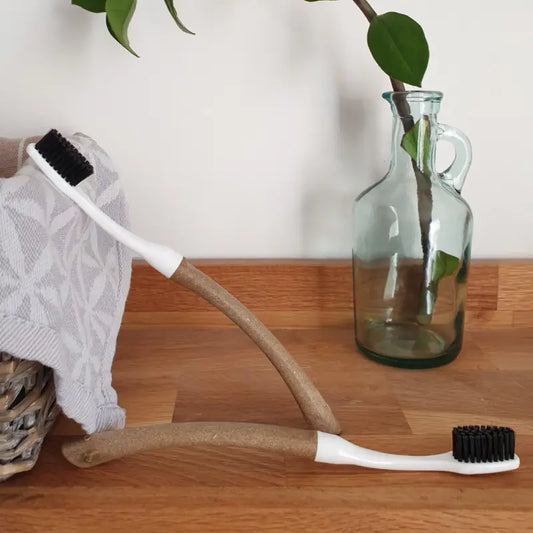
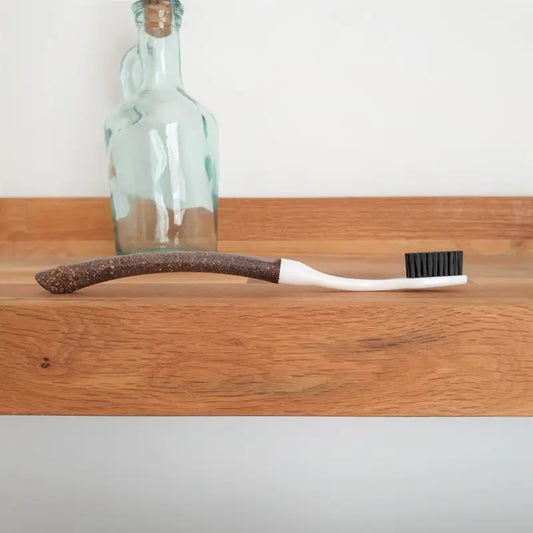
Beech wood is a natural material sourced from sustainably managed forests. An eco-friendly toothbrush made in France from beech wood offers excellent durability while using minimal water during its production. The wooden handle can be composted under certain conditions, reducing waste. French production minimizes transportation and utilizes locally sourced materials. This solution represents a genuine environmental commitment.
Interchangeable head systems
Toothbrushes with replaceable heads significantly reduce waste, as only the tip of the brush needs to be replaced. They help maintain good hygiene while minimizing the amount of product used. The recycled materials used in the replaceable head contribute to environmental protection. Their impact is often measured by analyzing the recycled content used in the manufacturing process. These models are increasingly popular with users seeking a sustainable solution.
Recycling: Where to dispose of your brush?
Brushes can be returned to certain specialized collection points. Other options include manual sorting by separating the handle from the head. Rechargeable or wooden models facilitate this process. Some accessories, such as cases, can be reused or transformed into jewelry or decorative objects. In France, companies are developing take-back programs to promote environmental preservation.
History, manufacturing and behind-the-scenes aspects: a unique section that few competitors address.
The history of the toothbrush demonstrates a continuous evolution of the materials used in the product. From early versions made of bone to rechargeable models made from recycled materials, each innovation responds to a need for comfort and durability.
French companies have played a significant role in improving quality. The development of supply chains using locally sourced materials demonstrates the sector's commitment to sustainable development. Studying this history provides a better understanding of the value of products manufactured today.
From Antiquity to the present day: the evolution of brushing
From chewed sticks to modern toothbrushes, the evolution is marked by improvements in filaments and materials. Ancient civilizations used fibrous branches to brush their teeth. The arrival of nylon was revolutionary in the last century. Today, the industry favors recycled or natural materials to meet current expectations. This progression reflects a constant desire for protection and care.
Who invented the modern toothbrush?
The modern version appeared at the end of the 18th century, using natural bristles fixed in a solid handle. This prototype inspired the industry for decades and paved the way for more ergonomic designs.
With technological advancements, the rechargeable toothbrush has become a widely purchased novelty in recent years. Versions manufactured in France offer an additional guarantee of quality. This invention has profoundly transformed oral care.
How do you make a toothbrush out of wood or plastic?
The manufacturing process for a brush depends on the material used. Plastic models are molded and then fitted with mechanically attached filaments. Wooden models require a more artisanal cutting process, followed by drilling the wooden handle to insert the bristles.
French factories often use recycled content to comply with sustainability certifications. The final step involves packaging the product to determine its conformity and final value before it is sold.
Selection, comparisons and practical recommendations
Brushes can be purchased from Forma Concept Store, which offers a wide range of items made from recycled or natural materials. Orders can be paid for inclusive of all taxes; please view the product details before adding it to your cart.
Expedited delivery ensures you receive models eligible for the sustainability program quickly. Prices vary depending on the battery type, battery life, and whether the brush head is rechargeable. The wide variety of colors, bristles, and materials makes it easy to complete your grooming routine.
Where to buy a toothbrush?
Consumers are increasingly favoring French shops for their environmental commitment. The online concept store offers a diverse range of products, from eco-friendly toothbrushes to rechargeable models made from recycled materials.
This French company provides reliable service and delivery tailored to individual needs. Models can be purchased through a simple order, complete with a detailed description to help you understand the product. Each item includes a technical datasheet for a comprehensive analysis.
How much does a toothbrush cost?
The price varies depending on the type of brush and the materials used. Manual models are offered at an affordable price, while rechargeable models have a more expensive battery.
Eco-friendly versions made in France may represent a slightly higher initial investment but offer lasting value. The option of choosing a replaceable head helps reduce future expenses. Products sold often include a description of the percentage of recycled content used.
Comprehensive comparison: electric, manual, eco-friendly
Electric models offer long battery life and powerful brushing. Manual versions remain a simple and effective option, especially when made with natural materials.
Eco-friendly versions use recycled materials, a wooden handle, or a replaceable head to reduce waste. Each type is evaluated based on its plaque removal ability, comfort, and environmental commitment. The choice depends on your priorities, whether it's care, protection, or sustainability.
In conclusion, the perfect toothbrush doesn't exist, but yours does.
The ideal toothbrush depends on your habits, your needs, and the level of sustainability you want to incorporate into your routine. Eco-friendly, flexible, rechargeable, or French-made models each offer their own unique advantages.
By adopting a responsible approach, favoring natural or recycled materials, and using appropriate techniques, maintaining good hygiene and a radiant smile becomes easy. Thanks to committed stakeholders and environmentally conscious French companies, everyone can find a suitable product, sold under conditions that respect the planet.




 -10%Sale
 -10%Sale
 -10%Sale
 -10%Sale
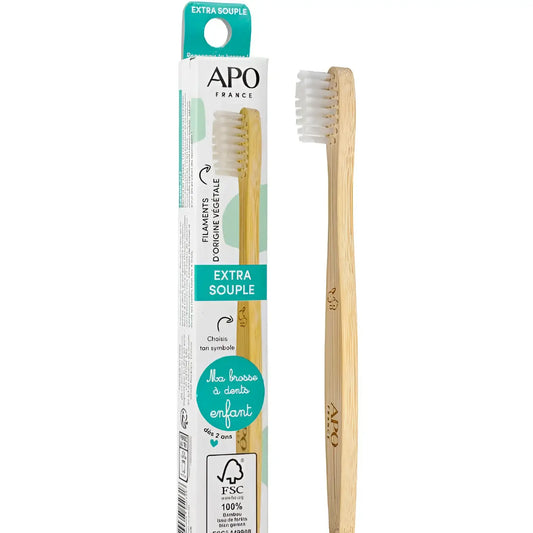 -10%Sale
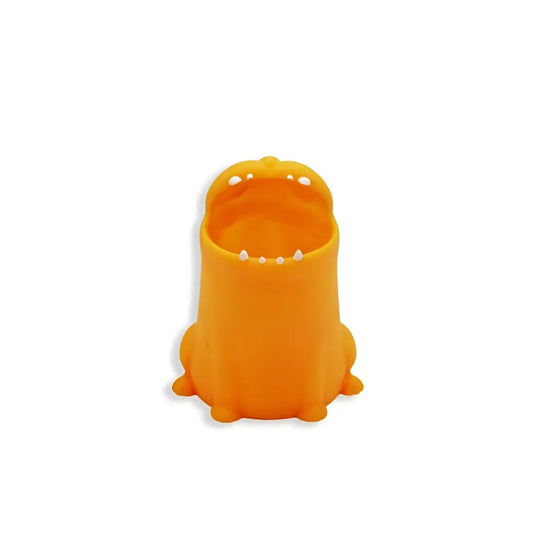 -10%Sale