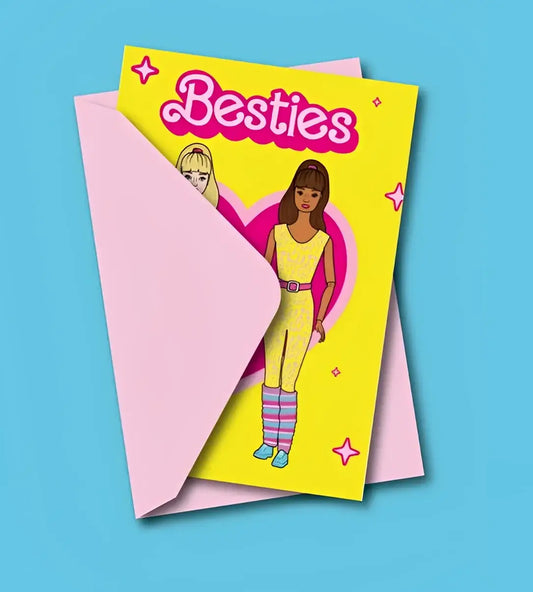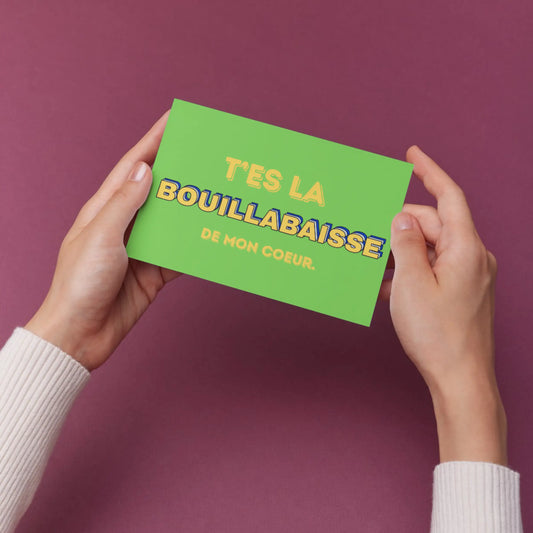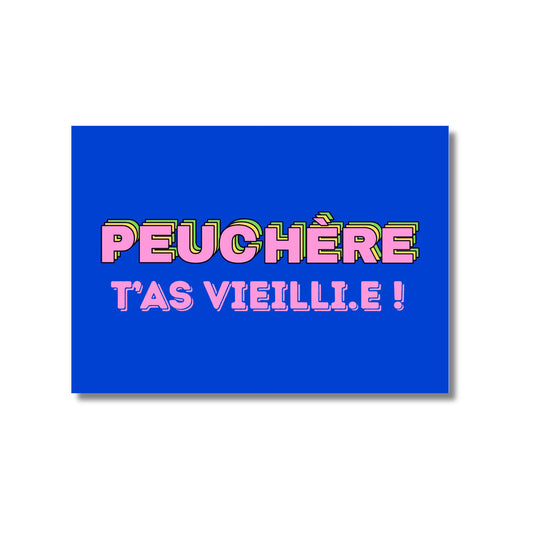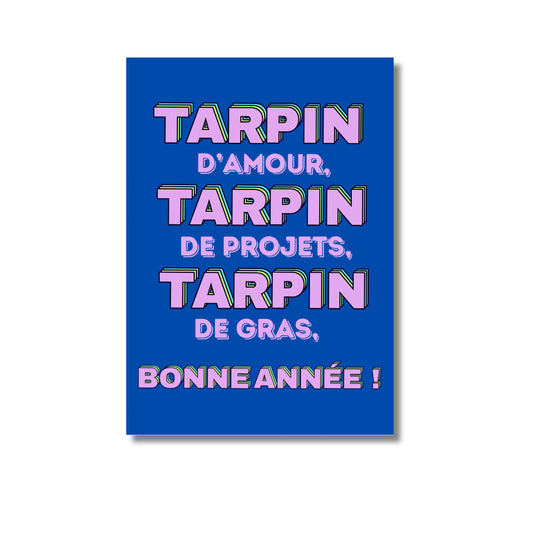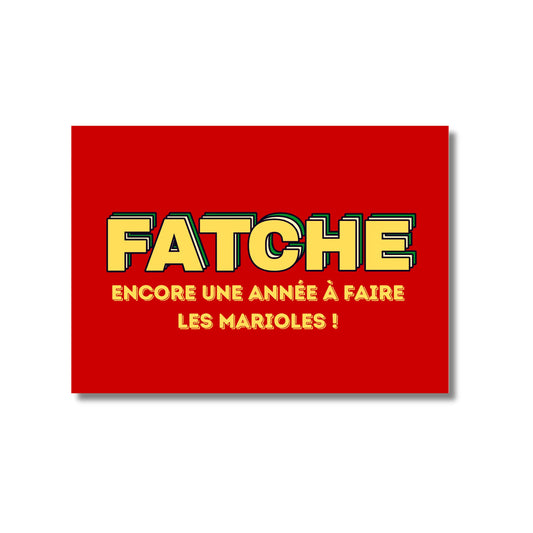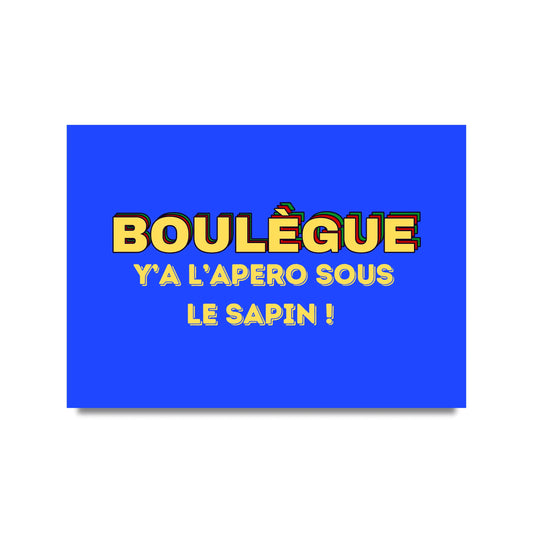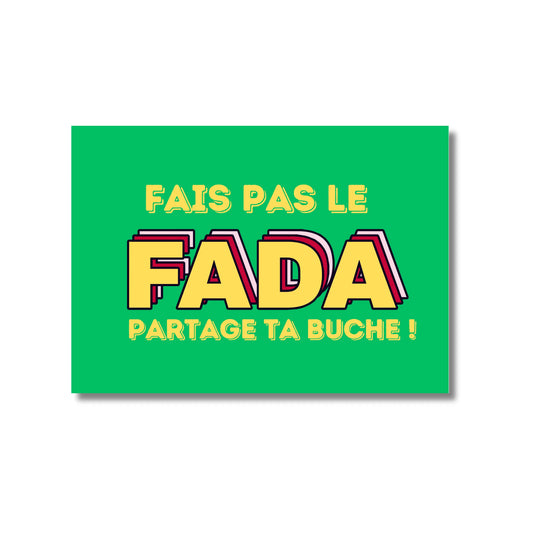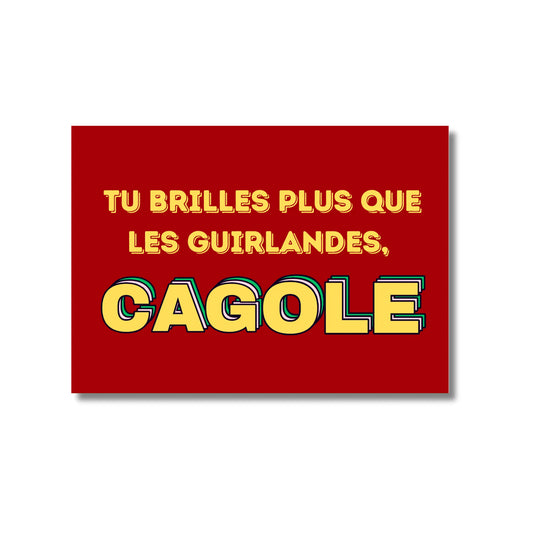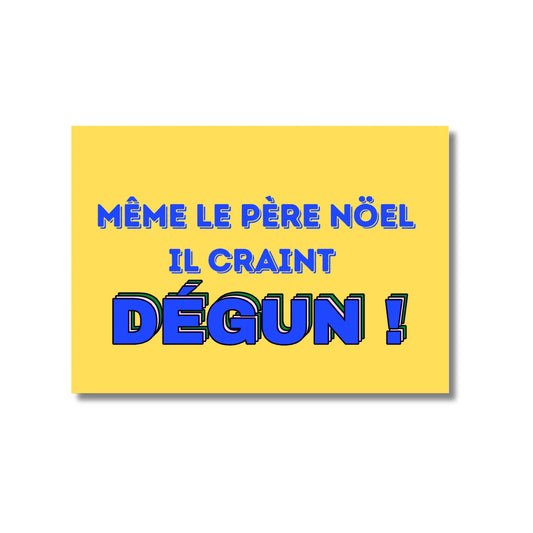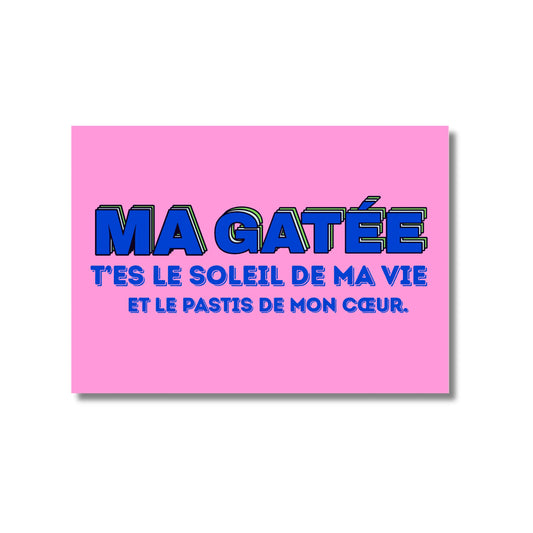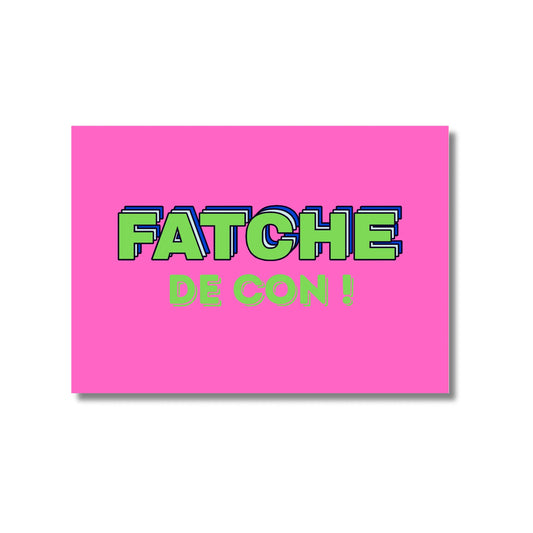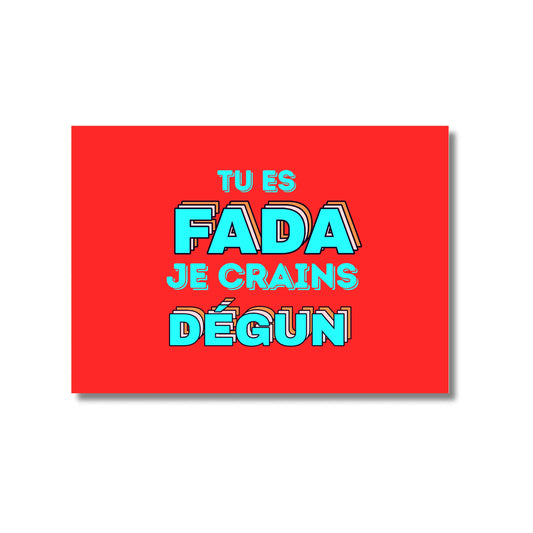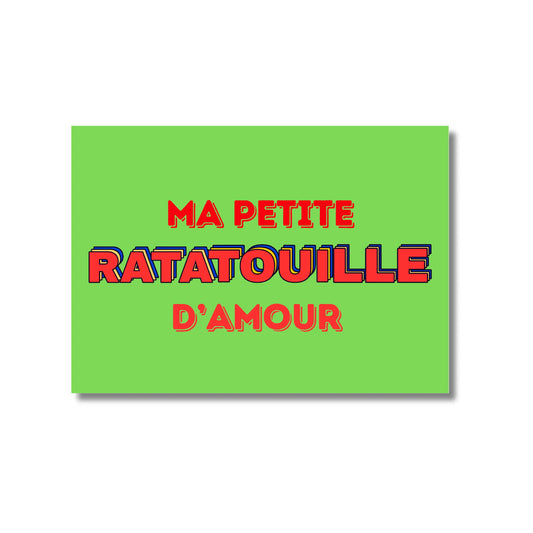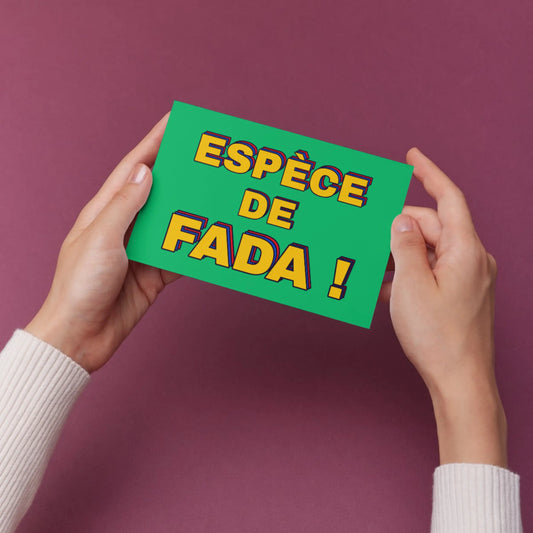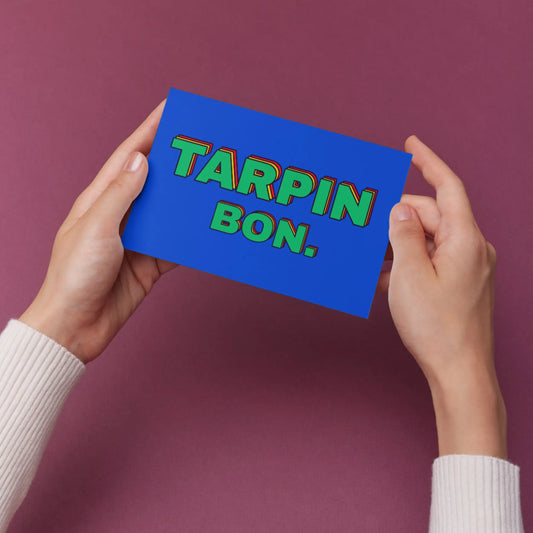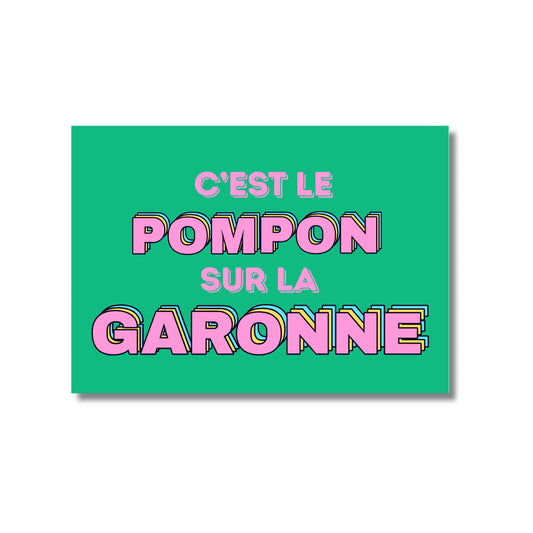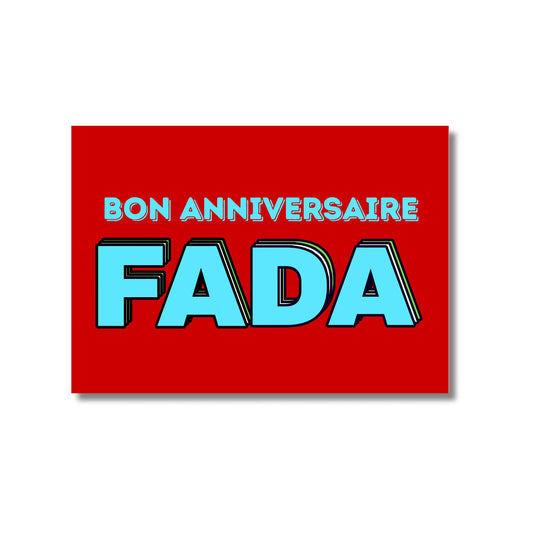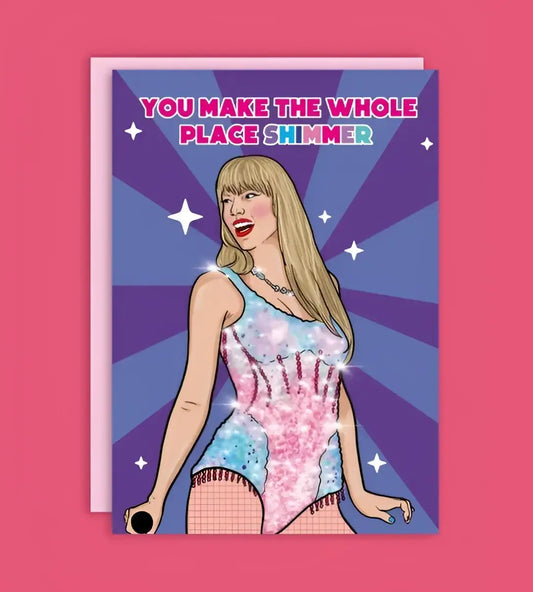
Why are postcards more relevant than ever?
Postcards remain an essential part of our communication, particularly in France where they are part of a long-standing tradition. A postcard is a unique way to convey a heartfelt message without relying on digital channels. This piece of card stock, available in various sizes, allows you to express a thoughtful gesture that transcends time. Its charm lies in its tangible nature, crafted with care, often from standard or premium paper depending on its intended use.
The idea of sharing a photo, a thought, or an anecdote remains unforgettable for the recipient. Even in the age of smartphones and countless mobile apps, taking a moment to write a classic or premium postcard is still a wonderful thing. This gesture provides a feeling of freedom and connection, far removed from the frenetic pace of the world.
Personalized cards are also appealing to younger generations, who appreciate the ability to create their own card in just a few minutes. Whether it's a postcard ordered online or purchased directly from a concept store, this rectangular format remains timeless. The classic postcard now sits alongside customizable postcards, illustrated postcards, vintage postcards, and even seed paper postcards. Each allows you to tell a different story at a lower cost.
There are many occasions to send these cards, from announcing a special day to sending congratulations or thanks. Periods like Christmas or beach holidays reinforce this desire to convey a personal touch. Cards are part of a long history, beginning in the 20th century and enriched by figures like Émile Greningaire who contributed to their popularity.
Creating a personalized postcard: methods, tools and inspiration
Creating a personalized card begins with choosing the design, the material, and the message you want to convey. A paper postcard can be created using personal photos, drawings, illustrations, or even a business card that you want to transform into a heartfelt message. The front of the card is reserved for the main image or chosen graphic, while the back is for the message itself.
In a rectangular format, the card's width can vary depending on your needs. To create an original card, often all you need is a good photo or a simple illustration that evokes a specific memory, such as a ski trip, a walk through a city, or time spent at a holiday resort. This can be done using an app or mobile application that allows you to personalize everything directly from your phone.
Modern tools offer the possibility of ordering a postcard online and choosing between classic paper, premium paper, or thick card stock. They also include options such as colors, fonts, borders, and designs. Every detail contributes to creating a card that matches your personal style. You can thus design a card for an invitation, a thank you, a birthday, a trip, or simply a spontaneous and informal message.
The pleasure of creating a map also lies in the idea of telling a visual story . Whether it's a beach scene, a cityscape like Paris, an Alsatian landscape, or a fleeting moment, each map conveys a unique message. This creative process makes the map a potential collector's item, sometimes exhibited at cultural events such as a world's fair.
Choosing the right postcard: formats, materials and types
The choice of a postcard depends on the desired effect. Cards made of thick cardstock offer a pleasant feel, while premium paper cards give a more elegant look. Illustrated postcards are ideal for conveying a mood or showcasing artistic designs. Paper postcards, on the other hand, are more traditional and suitable for all types of occasions.
A personalized postcard allows you to unleash your creativity. You can add a personal photo or a handwritten message to create a postcard perfectly suited to your intention. From vintage postcards to modern designs, the possibilities are endless.
The materials influence both aesthetics and durability. Premium and classic paper offer a wide variety of textures, while some cards feature a seed paper option, allowing you to plant the card after receiving it. This format makes for an original, eco-friendly, and memorable gift.
The variable dimensions of these cards allow the design to be adapted to the message. A larger format is preferred for landscapes, while a smaller format is suitable for a more personal announcement. In all cases, the goal is to create a beautiful and harmonious card that reflects the care given to the recipient.
Another important aspect lies in the type of card chosen. Vintage postcards evoke history and nostalgia. Premium postcards, on the other hand, impress with their impeccable finish. Finally, customizable postcards meet the current need for individuality. These different variations allow you to choose the ideal postcard depending on the use, the season, the recipient, or the occasion.
Buying or printing your own postcards: options and tips
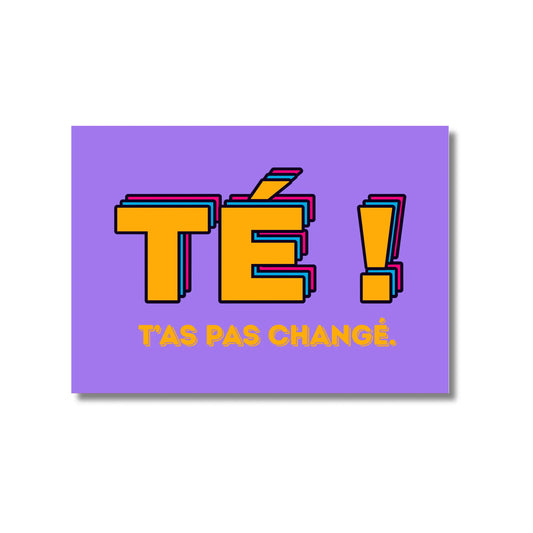
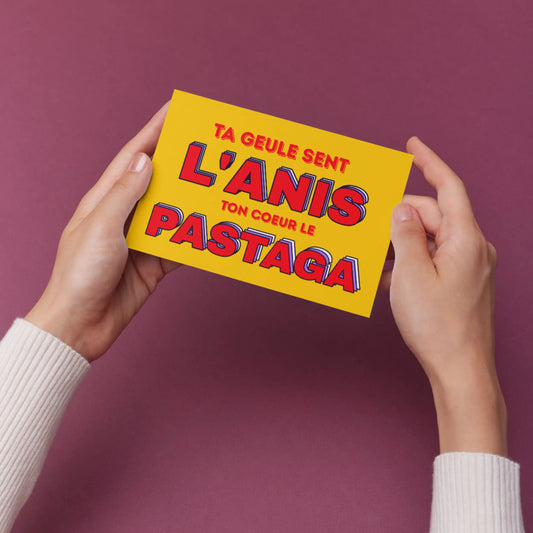
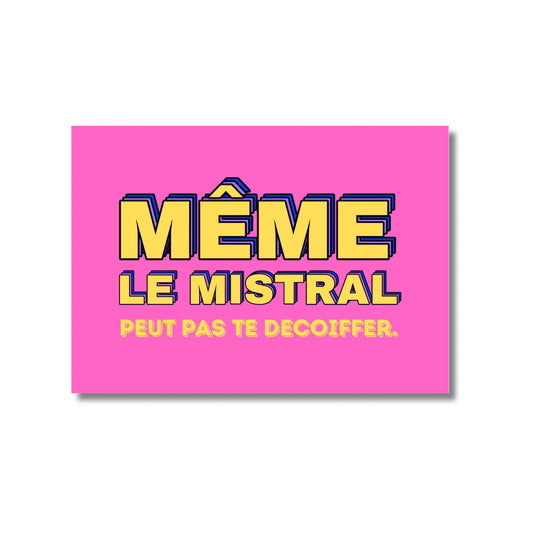
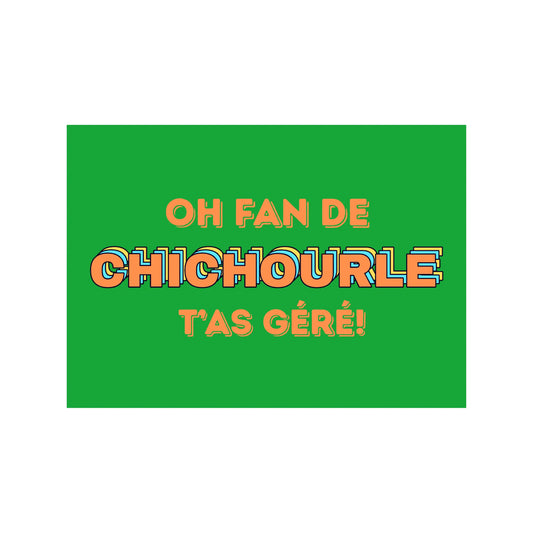
Buying cards from Forma Concept Store gives you access to a wide selection of beautiful, carefully crafted products tailored to modern tastes. This concept store offers the possibility of ordering all kinds of cards, from online postcards to handcrafted illustrated cards.
Each item features unique aesthetic work and responds to a growing demand for creative products. The first order often comes with a welcome offer, allowing you to explore several styles at a reduced cost. This is an excellent opportunity to expand your collection of one hundred cards or to start a more personal set.
Printing at home or through a specialized service also offers great creative freedom. You can determine the card's width, choose the paper, personalize the front and back, and then finalize the production according to your intended use. This process allows you to create an item with strong sentimental value or a card destined to become a collector's item.
Shipping costs then depend on the postal service used. In mainland France, as in other parts of the world, postage varies according to weight and size. The postal service then handles delivery to the recipient's local post office.
It is also possible to send a card from a post office or using digital tools that simplify the process. Whether you are located in mainland France, the European Union, or outside the metropolitan area, shipping rates should be checked to avoid mistakes. Postage remains an essential step but is generally affordable .
Sending a postcard: everything you need to know
To send a card, you must respect the traditional structure of the medium. The front of the card contains the main image or illustration, while the back is for the message and address. The space reserved for the text should be used carefully to ensure readability. The stamp should be placed in the designated area. The choice between standard or premium paper does not affect the delivery but can enhance the impression made on the recipient. A carefully crafted card always demonstrates thoughtfulness.
Postal delivery times vary by region. When a card is sent from France to anywhere in the world, the transit time can vary depending on the country. Within mainland France, delivery times are generally short. However, peak periods such as Christmas or summer can extend the timeframe.
Sending a card is a simple way to share a feeling, a story, or an announcement. It helps maintain a stronger connection than a digital message or a simple image sent via mobile phone. The act of sending a physical letter amplifies the emotional impact of the gesture.
What to say in a postcard? Text ideas and examples
Finding the right words for a card can take some thought, especially for a special occasion. For a congratulatory card, you might mention an accomplishment or a happy event. For a thank-you card, it's best to clearly express the positive intention behind the card.
A snapshot of a beach or city can inspire a message that recounts a trip or an unforgettable moment. A card sent from a city steeped in history can evoke different emotions than one from a ski trip with friends.
Messages can remain simple or become more poetic. You can also use different ways of saying "card" depending on the language or desired style. The goal is always to sincerely share your feelings. For an invitation, the text can be more direct and reflect the atmosphere of the event. Each card tells a story and helps create a lasting memory. This type of correspondence remains a timeless gesture that transcends generations.
History of the postcard: understanding its origin and evolution
The history of the postcard dates back to the 20th century, when the first models began circulating throughout France and other countries. A postcard is a simple and inexpensive way to send a message. Originally used primarily for quick communication, it later became a popular form of illustrated communication.
World's fairs played a significant role in popularizing this medium, showcasing models from around the globe. This development encouraged the creation of diverse maps made from cardboard, traditional paper, and other materials.
Over the years, maps have become sought-after collector's items for enthusiasts. Some rare models, illustrated or linked to historical events, bear witness to cultural evolution. Maps of cities like Paris or those depicting regions like Alsace are particularly prized.
Émile Greningaire is among the personalities who have marked this evolution, notably through his graphic work.
The use of postcards has since diversified and continued to evolve. The arrival of customizable cards and premium formats has renewed public interest. Even today, online postcards offer a new way to send a unique message.
Postcards 2.0: When paper meets digital
Hybrid cards represent a natural evolution of the traditional format. They often include a QR code, a video, or an interactive element that allows for sharing more content. This evolution combines the charm of paper with the advantages of digital technology. A premium or customizable card can thus become an unforgettable object that tells a story enriched by additional content.
Some people choose to create their card online and integrate digital elements accessible via mobile. This new way of communicating modernizes the gesture while preserving its authenticity.
Combining premium paper with interactive features opens up numerous creative possibilities.
Creating this type of card is simple. Just use an app, select a photo or drawing, and then add the desired interactive content. Production can then be done directly through a specialized service or at home.
This blend of tradition and innovation ensures that the postcard will continue to evolve in the years to come.
Free resources, downloadable templates and tools
Several card templates are available to simplify the creation process. They allow you to achieve a professional look, whether it's an illustrated card, a vintage card, or a premium card. These resources give you the opportunity to design a card that reflects your own unique style. Forma Concept Store regularly offers inspiration to help you create an original card, whether it's for a birthday, Christmas, an invitation, or a thank you note.
Technical templates allow for compliance with varying printer dimensions and ensure precise manufacturing. These templates include margins, card width, and safety zones to prevent errors.
Some maps even become collector's items when they are made with special care or when they tell a significant story.