Understanding the Breton bowl: origin, symbolism and evolution
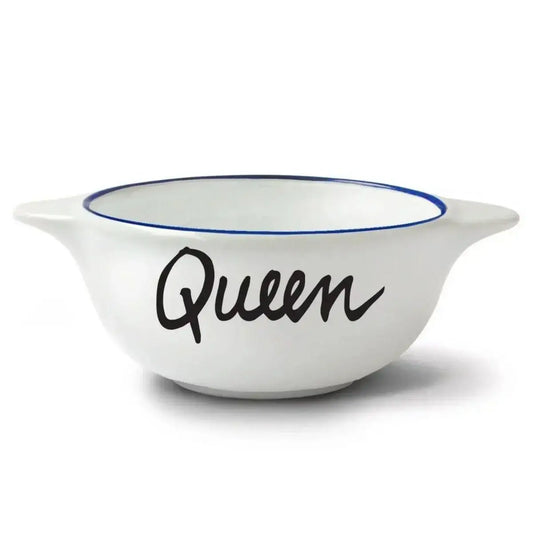
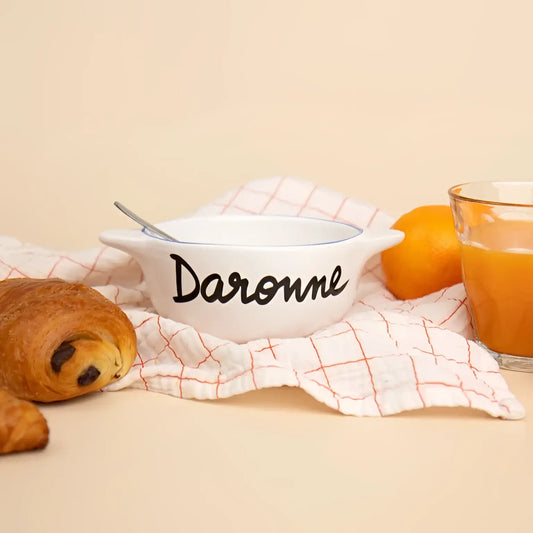
The Breton bowl is one of the most recognizable symbols of Breton craftsmanship and an essential item for anyone interested in regional culture. This two-handled bowl, often decorated with a blue rim and made of earthenware, is inseparable from its personalized inscription, usually a first name. This object blends tradition, authenticity, and practicality, making it a highly sought-after handcrafted item. A true breakfast icon, it is prized for its retro charm, the quality of its craftsmanship, and its unique character.
Today, the Breton bowl is both an iconic souvenir and a cherished personalized gift , and its popularity continues to grow thanks to its strong emotional appeal. Known for its sturdiness, warm style, and distinctive visual identity, it remains a must-have for anyone who wants to own a typical Breton item while enjoying a bespoke personalization.
Definition and fundamental characteristics
The Breton bowl has very specific characteristics that distinguish it from a simple ceramic bowl. Its two small side handles , originally designed for children, offer an easy and reassuring grip. Its visual style, marked by a colored rim, usually blue, is combined with traditional painting depicting Breton costumes or symbols.
The inscription of a name makes each piece unique, reinforcing its role as a personal object. This blend of functionality, aesthetics, and history makes it a staple of Breton tableware. Finally, it is a robust bowl, designed to withstand everyday use.
History and cultural roots
The Breton bowl appeared at the beginning of the 20th century, in a context where earthenware factories were developing in Brittany. Its democratization occurred after the war, when it became the object systematically given to children during family celebrations or holidays in Brittany.
This tradition has allowed it to become part of the emotional heritage of many French families. Over the decades, its design has evolved but retained its fundamental elements, contributing to its timeless charm. The Breton bowl thus remains a powerful symbol of Breton identity and a certain art of living.
The Breton bowl in the collective imagination
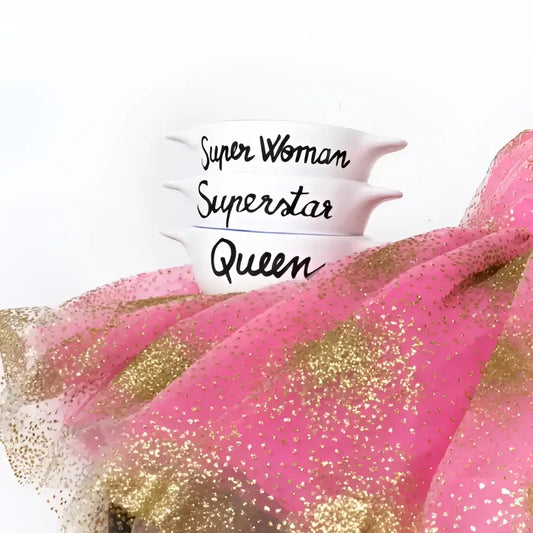
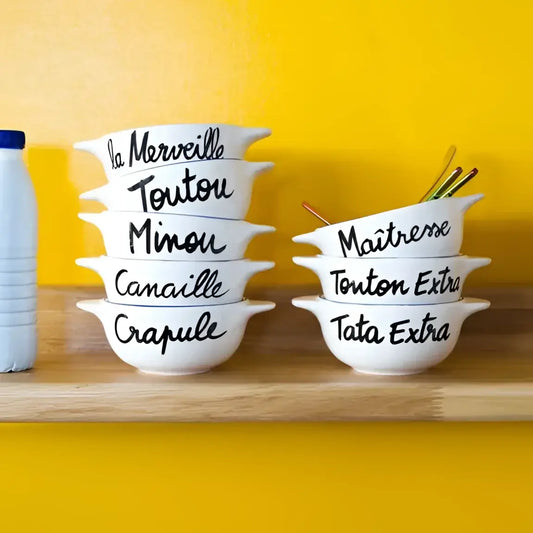
For many, the Breton bowl immediately evokes childhood memories and cozy breakfasts. It's a sentimental object that often marks a first encounter with Breton culture. More recent versions introduce a playful and humorous dimension, with personalized messages or modernized designs.
The Breton bowl is no longer just a container but a medium of expression. This multiplicity of uses allows it to transcend generations while remaining deeply connected to collective memory. It thus represents a bridge between tradition and modernity.
The characteristics of the Breton bowl: materials, patterns, quality
Breton bowls are generally made of earthenware, an ideal material for ensuring both aesthetics and durability. This material offers a glossy finish and a smooth feel, while allowing for meticulous craftsmanship.
The colors adhere perfectly, ensuring the longevity of the traditional hand-painted designs. High-quality bowls exhibit a consistent texture, a stable thickness, and thoughtful glazing. Careful craftsmanship is a key criterion for choosing a durable and authentic bowl.
Materials and manufacturing
Earthenware is the most common material used to make Breton bowls because of its ability to retain pigments and offer great detail. Creating a bowl involves several essential steps, such as molding, the first firing, glazing, decoration, and a final firing.
Each stage requires expertise and precision to guarantee a flawless finish. Enameling plays a crucial role, ensuring the bowl is watertight and protecting the decorations. This traditional process places the Breton bowl within a long line of artisanal craftsmanship.
The choice of earthenware
Earthenware offers an ideal balance between strength and delicacy, which explains its popularity in Breton crafts. It allows for the faithful reproduction of regional motifs while guaranteeing great durability. Its slightly porous surface before firing absorbs pigments, ensuring exceptional colorfastness.
Furthermore, earthenware creates a luminous effect that highlights the name or painted design. For designers, it's a pleasant material to work with, allowing for a high level of personalization. The choice of earthenware thus gives the Breton bowl its traditional appearance.
Manufacturing process
Creating a Breton bowl requires a series of precise steps. The molding process gives the bowl its characteristic shape, with its two well-proportioned handles. The first firing solidifies the bisque before the application of the glaze, which provides shine and protection.
Next comes the decoration phase, carried out by hand in numerous workshops, which demands precision and artistic flair. A second firing permanently fixes the colors and guarantees the durability of the decoration. This artisanal process gives the bowl real added value and a quality that is immediately apparent.
Iconic motifs and graphic styles
Traditional Breton bowl designs often feature figures in regional costumes, elements inspired by Celtic culture, or the famous blue net. These symbols make each piece instantly recognizable and reinforce its connection to Brittany. Today, graphic styles are diversifying, offering humorous or more contemporary variations.
The colors also evolve to suit new tastes. This diversity allows the Breton bowl to be both a decorative object and an everyday utensil. Modern patterns appeal to those looking for a more original or personalized touch.
Traditional patterns
Traditional motifs remain highly valued as they embody the heritage and authenticity of the product. Breton figures painted in folk costumes evoke the region's cultural roots. Other designs, such as seascapes, stylized flowers, or Celtic symbols, are often added to this palette.
The blue net, meanwhile, reinforces the visual coherence and serves as a true hallmark. These motifs are meticulously crafted by artisans using techniques passed down through generations. The result is both aesthetically pleasing and deeply meaningful for those who appreciate objects steeped in history.
Modern patterns
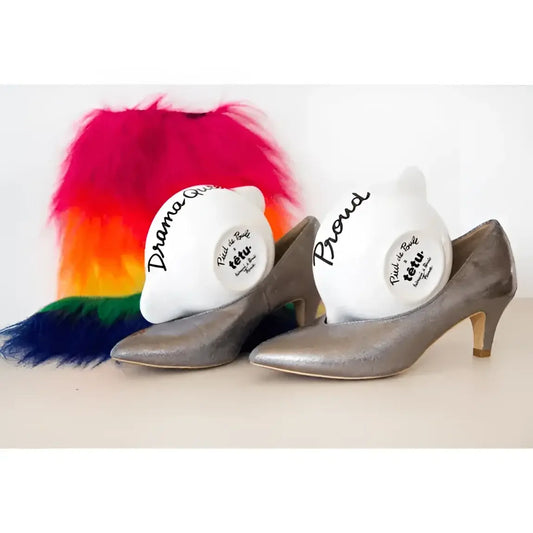
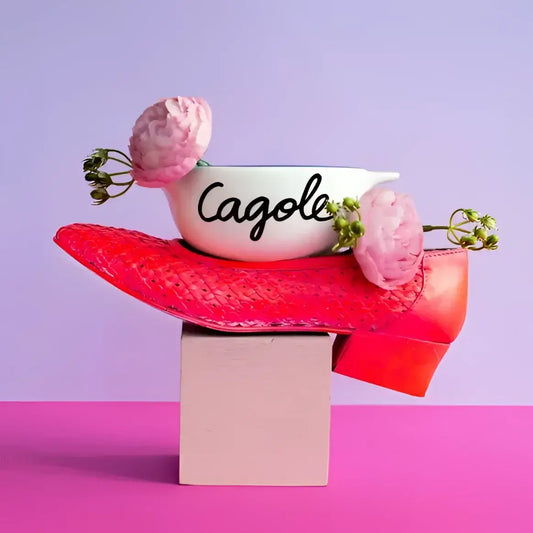
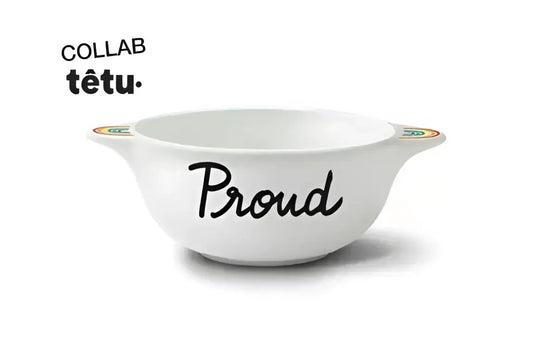
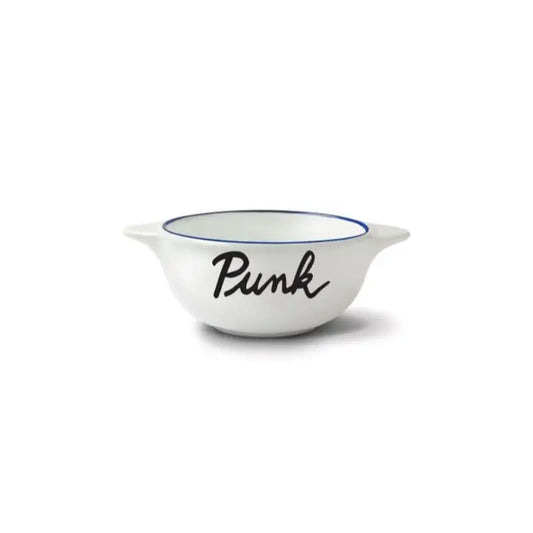
Modern designs bring a new dimension to the Breton bowl by playing with humor, typography, and contemporary illustrations. Some designers offer minimalist designs, while others opt for quirky messages or more graphic visuals.
These approaches broaden the appeal of the Breton bowl, making it more adaptable to modern interiors. Bright colors, geometric shapes, and reimagined figures all contribute to this renewal. The Breton bowl thus becomes a trendy object that fits equally well in a traditional kitchen or a more contemporary décor .
Quality and purchasing criteria
Choosing a quality Breton bowl involves evaluating several key elements such as the thickness of the earthenware, the regularity of the rim, and the intensity of the colors. A good glaze ensures a smooth and glossy surface, a sign of expert craftsmanship. It is also important to check the bowl's balance and the sturdiness of the handles.
Pieces crafted using traditional methods often boast a more refined finish and greater durability. Furthermore, the precision of the painted name is a crucial factor for successful personalization. These aspects guarantee a truly long-lasting and authentic product.
Personalizing your Breton bowl: options, lead times, techniques
Personalization is one of the most appreciated aspects of the Breton bowl, as it transforms a traditional object into a unique piece. A first name, nickname, or special message is hand-painted or applied using appropriate techniques.
This personalization adds an emotional dimension, making it an ideal gift for any occasion. The possibilities are numerous, allowing you to create a bowl perfectly suited to the recipient's personality. The result is an object that is useful, decorative, and symbolic, standing out from mass-produced items.
Customization options
Personalization options vary by workshop and include choosing the name, font, and sometimes the rim color. Some workshops also offer the option to add a specific design or a longer message. This creative freedom allows you to design a custom bowl to celebrate an event or express a special gesture.
The final aesthetic will depend on the finesse of the handcrafting and the harmony of the chosen colors. Personalization allows each bowl to have a unique identity that makes it instantly recognizable.
Customization techniques
Personalization relies on several techniques, such as hand painting, calligraphy, and transfer processes. Hand painting remains the most refined method, as it guarantees unparalleled authenticity and artisanal charm. Screen printing and transfer processes, on the other hand, allow for the uniform application of more complex designs.
Each technique offers specific advantages in terms of finish and durability. Workshops must master these methods to guarantee a precise result that withstands daily wear and tear. The choice will depend on the desired effect and the required timeframe.
Deadlines, prices and technical constraints
Personalization times vary depending on the level of detail requested and the technique used. They generally range from a few days to two weeks. Certain choices, such as rare first names, long messages, or special colors, may slightly extend the timeframe.
Prices depend on the quality of the bowl, the amount of handwork required, and the complexity of the design. It's important to consider the limitations imposed by the bowl's size, which can sometimes restrict the length of the messages. Careful planning helps ensure a result that meets your expectations.
Buying a Breton bowl: where, how, and at what price?
Purchasing a Breton bowl can be done either in a workshop or online, depending on your needs and desired level of customization. Specialized shops often allow you to see the pieces in person and appreciate the quality of the craftsmanship.
Online shopping offers a wider selection and the possibility of customizing the piece remotely. Regardless of the purchase method, it is essential to verify the origin and materials used to guarantee the bowl's quality. Prices vary depending on the level of craftsmanship and the intricacy of the decoration.
Shopping locations in Brittany
Brittany is full of workshops and boutiques that perpetuate the tradition of earthenware. These places allow you to observe artisans at work and understand the different stages of production. Craft markets are also good places to find original or limited-edition pieces.
Buying locally offers the advantage of choosing your bowl based on its weight, color, or the quality of its finish. It's also a way to support local craftsmanship. Regional shops also offer a variety of styles, ranging from the most traditional to the most modern.
Order online
Ordering a Breton bowl online is a convenient way to benefit from a wide selection and advanced customization options. Specialized websites often offer a preview tool that allows you to visualize the final result before ordering.
Delivery is usually fast and well-protected to prevent damage during transport. It's advisable to check customer reviews and the origin of the items to ensure product authenticity. Online personalization also allows you to take your time choosing the most suitable name, color, or design.
Price ranges according to quality
The prices of Breton bowls vary depending on the quality of the earthenware, the decorating technique, and the level of personalization. The simplest, unpersonalized models cost around ten to fifteen euros. Hand-painted, artisanal bowls are generally priced between twenty and thirty-five euros.
Artist-designed pieces or limited editions can reach higher prices. These differences are due to the time spent creating them, the originality of the design, and the fineness of the details. Choosing a quality bowl guarantees greater durability and a more authentic look.
Using and caring for a Breton bowl
The Breton bowl is designed for everyday use, whether for breakfast, afternoon tea, or hot dishes. Its high-quality earthenware allows it to withstand heat and regular handling. However, certain precautions will help preserve its appearance and shine.
Proper care prevents premature fading of the colors or painted designs. Adopting a few simple steps will extend the bowl's lifespan, making it both a practical and decorative object that will last for years.
Usage tips
The Breton bowl is particularly well-suited to hot drinks like hot chocolate, tea, or milk, thanks to its generous shape and practical handles. It can also be used for soups or other gourmet dishes. Most bowls are dishwasher-safe, but it's best to check the manufacturer's recommendations.
For hand-painted versions, gentle washing is often recommended. The bowl should be handled with care to preserve its handles and glaze. Daily use will not diminish its beauty if the proper care is taken.
Maintenance tips
To care for a Breton bowl, it is recommended to avoid overly abrasive products that could dull the colors or weaken the glaze. Gentle cleaning with a non-abrasive sponge is ideal. For stubborn stains, soaking in warm soapy water is usually sufficient.
It is important not to expose the bowl to sudden temperature changes in order to preserve its structure. If a chip appears, certain techniques can limit its spread. Proper care will ensure the bowl has a remarkable lifespan while preserving its original charm.
The Breton bowl in culture: symbols, anecdotes and modernity
The Breton bowl holds a special place in French culture because it is linked to collective memory. Many people associate this bowl with their childhood memories and precious family moments. Over time, it has become as much a decorative object as a kitchen utensil.
Social media has helped popularize humorous and modern versions , thus increasing its visibility. Today, the Breton bowl is a symbol of identity that transcends generations. It testifies to a deep attachment to tradition while evolving with current trends.
Why did almost everyone get their Breton bowl?
The Breton bowl is often given as a gift for birthdays, baptisms, or trips to Brittany, which explains its presence in many families. Its affordable price and ease of personalization make it a universal gift. It represents a lasting keepsake that children cherish for years to come.
Many people even keep their bowl into adulthood, reinforcing the sentimental value of this object. This phenomenon explains why it has become a widely shared symbol. The Breton bowl is not just a handcrafted product; it is a true cultural marker.
The Breton bowl on social media and in pop culture
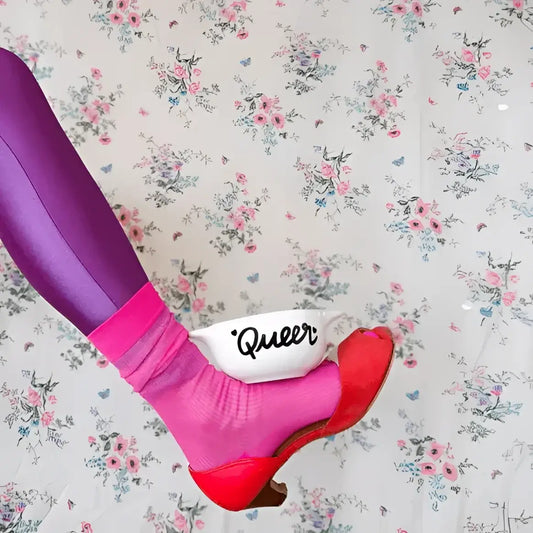
With the rise of social media, the Breton bowl is experiencing a resurgence in popularity, particularly thanks to humorous versions or reimagined designs. Users enjoy sharing photos of their personalized bowls, which reinforces its status as a trendy item.
Creators are also publishing artistic reinterpretations that modernize the image of the traditional bowl. This digital enthusiasm is helping to make the bowl known beyond regional borders. It is becoming a medium of visual and cultural expression appreciated by younger generations. The Breton bowl is thus fully integrated into modern culture.
Breton symbolism and its place in the art of living
The Breton bowl embodies a simple, warm, and deeply rooted way of life . It reflects the importance of small moments shared around the table. For Bretons, it represents a direct link to their history and customs. For visitors, it symbolizes an authentic souvenir and an immersion in local heritage. Its popularity testifies to a commitment to sustainable craftsmanship that respects traditions. This bowl is one of the objects that tell the story of Brittany and its cultural identity.
The Breton bowl as an object of personal expression and creative tool
The Breton bowl is no longer limited to its traditional use; it has become a medium for creativity and personal expression. Designers, artists, and individuals alike are embracing it, repurposing it, modernizing it, or giving it new functions. This approach considerably expands the possibilities offered by this iconic object.
The Breton bowl thus becomes a decorative element, an artistic medium, or a design accessory. It is part of a process of reinvention while retaining its characteristic features. This new dimension contributes to its contemporary appeal.
The Breton bowl as an object of art and design
Many artists see the Breton bowl as an ideal medium for expressing their creativity. They play with colors, shapes, and patterns to offer original versions. Some works completely subvert traditional codes to create unique pieces.
The bowl is also featured in art installations and exhibitions dedicated to contemporary design. This transformation demonstrates the Breton bowl's ability to adapt to creative trends. It has thus evolved from a simple piece of tableware to a recognized work of art.
Workshops and DIY: Create your own bowl
Participating in creative workshops allows you to discover painting and personalization techniques for Breton bowls. These workshops offer the opportunity to create a unique object while enjoying an enriching experience. DIY kits, on the other hand, allow you to personalize a bowl at home with simple tools.
This practice stimulates the imagination and fosters a more personal approach to craftsmanship. Children and adults alike enjoy this accessible and creative activity. DIY brings a playful and participatory dimension back to the Breton bowl.
Decorative repurposing
The Breton bowl also finds its place in interior decoration thanks to ingenious repurposing. Some use it as a plant pot, catchall, or candle holder, giving it a second life.
Antique bowls can be transformed into original decorative objects that add an authentic touch. This trend promotes recycling and the sustainable use of everyday items. By repurposing these bowls, we also value traditional craftsmanship. This decorative repurposing makes the Breton bowl a versatile and creative element.
Choosing the right Breton bowl: the final buyer's guide
Choosing a Breton bowl requires considering several essential criteria to obtain a durable and harmonious product . The quality of the earthenware, the precision of the patterns, and the glaze finish are among the determining factors. The style should also match your taste, whether traditional or modern.
It's helpful to ask yourself a few questions before buying, especially regarding its intended use and the type of personalization you'd like. Whether you're buying in-store or online, it's recommended to choose a carefully crafted bowl. For this, you can trust Forma Concept Store, which offers authentic and personalized pieces .




 -10%Sale
 -10%Sale
 -10%Sale
 -10%Sale
 -10%Sale
 -10%Sale
 -10%Sale
 -10%Sale
 -10%Sale