

Why are educational games essential in learning?
From fun to learning: a natural bridge
Educational games for children are not mere distractions; they are genuine learning tools designed to foster intellectual and emotional development. By manipulating a toy or participating in an educational game for primary school, children discover the concepts of digits, numbers, addition, subtraction, and division in an intuitive way.
These activities introduce the basics of arithmetic and numeracy through fun challenges. Forma Concept Store, the leading online concept store, offers a wide selection of products suited to each learning level, helping your child learn while having fun.
The role of educational play according to the child's age
From preschool onwards, educational games encourage fine motor skills and sensory awareness. From age 4, educational games introduce children to logic and vocabulary, while educational games for 5 and 6 year olds develop early reading and writing skills.
In primary school, educational games for grades 1-5 help students progress in math, verb conjugation, and English. Teachers use these resources to help students solve problems independently.
Educational games for 3 to 12 year olds offer experiences adapted to different school levels, from kindergarten to middle school, to transform every workday into a moment of pleasure.
The major categories of educational games
Physical educational games: manipulating to understand
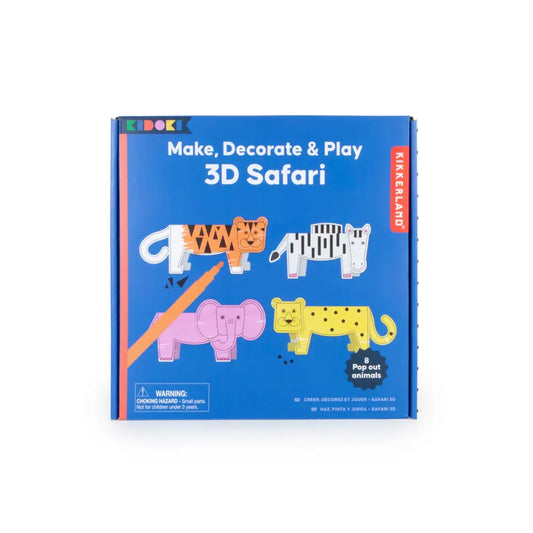
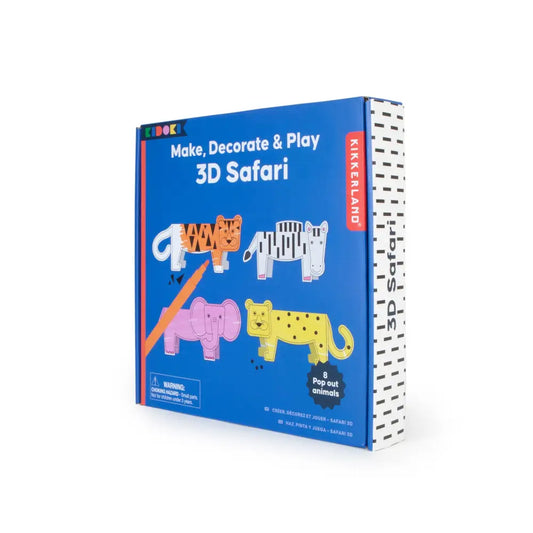
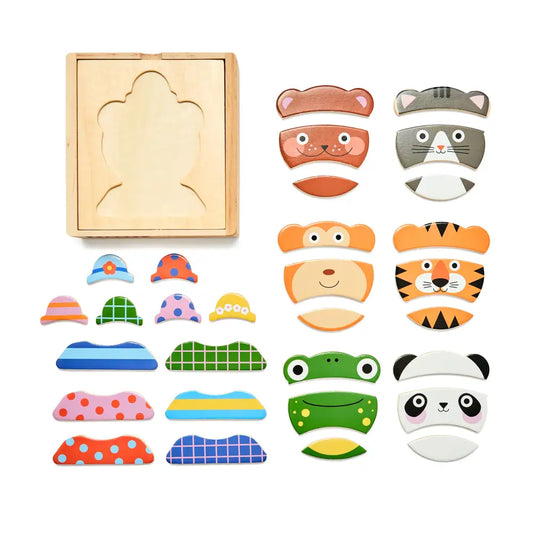
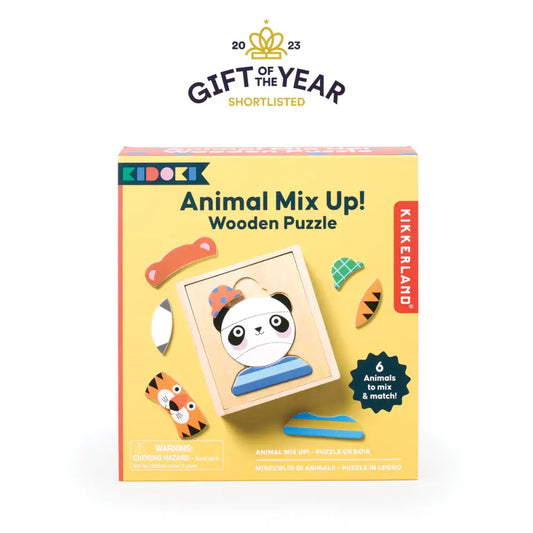
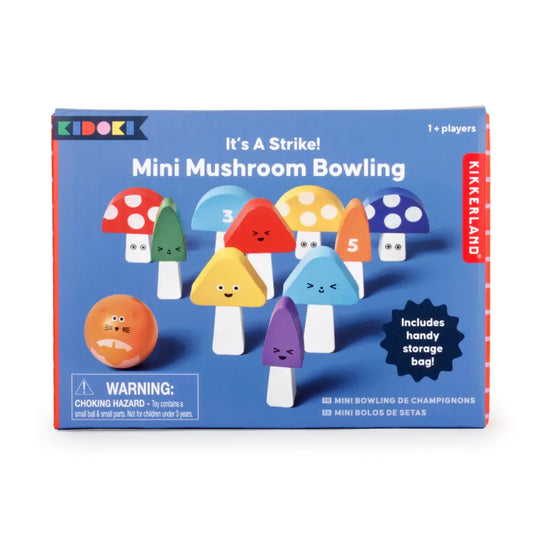
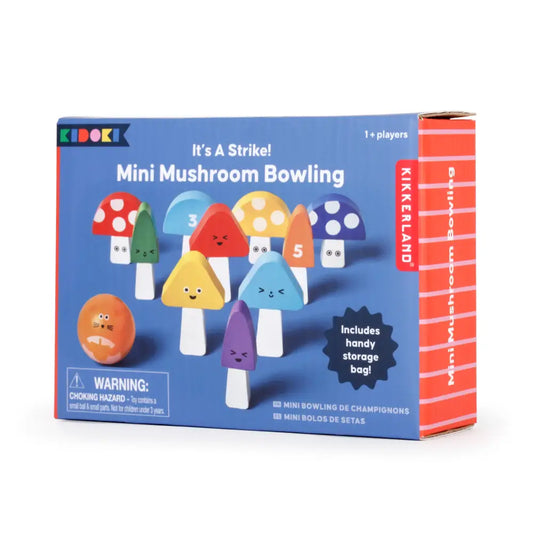
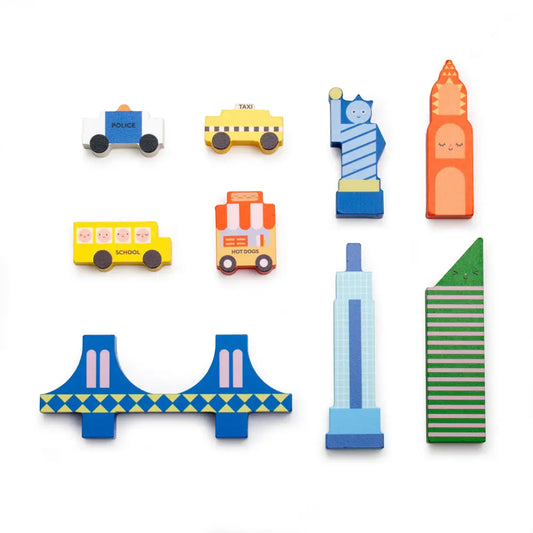
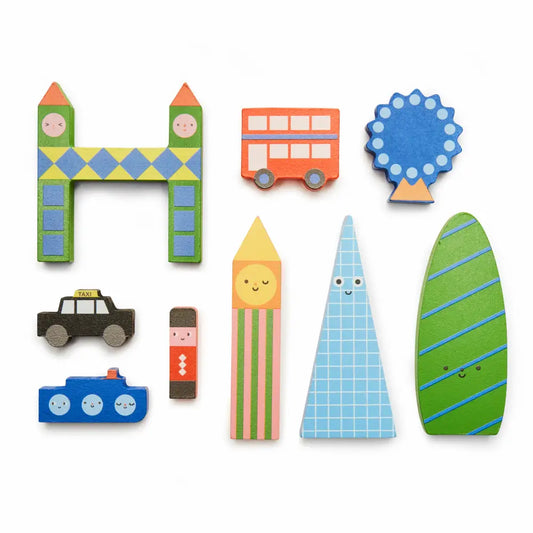
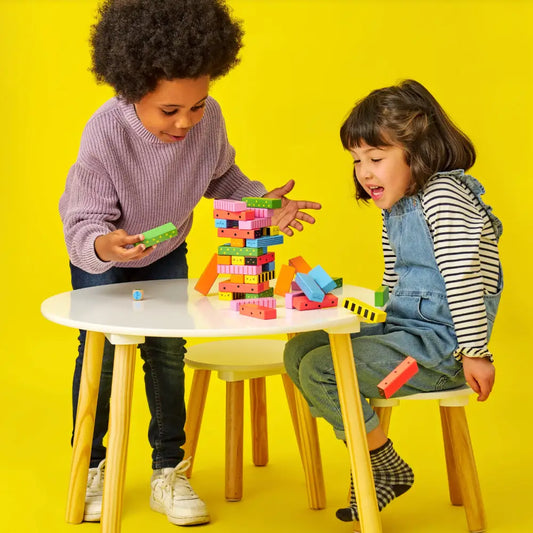
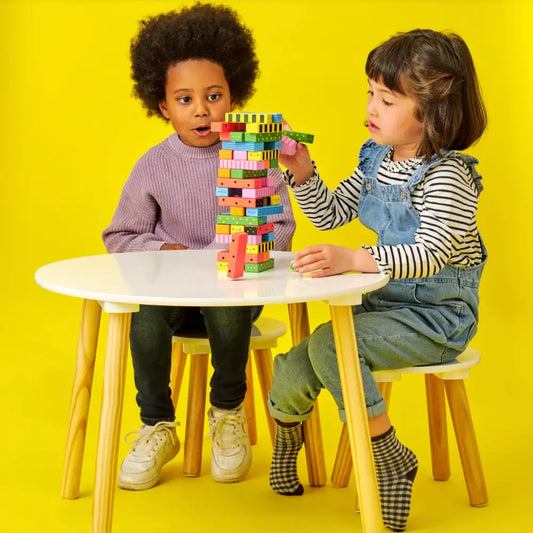
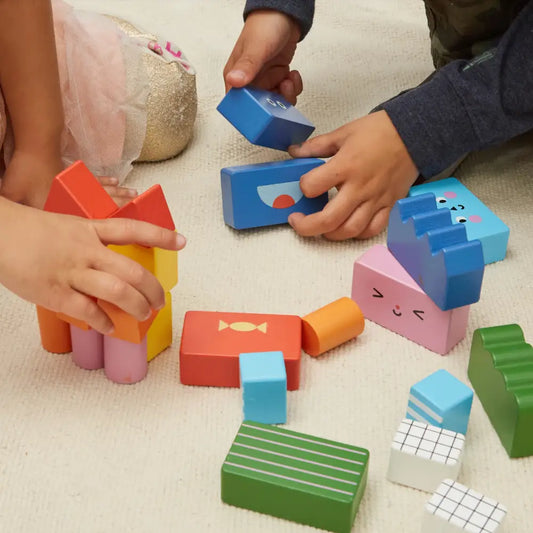
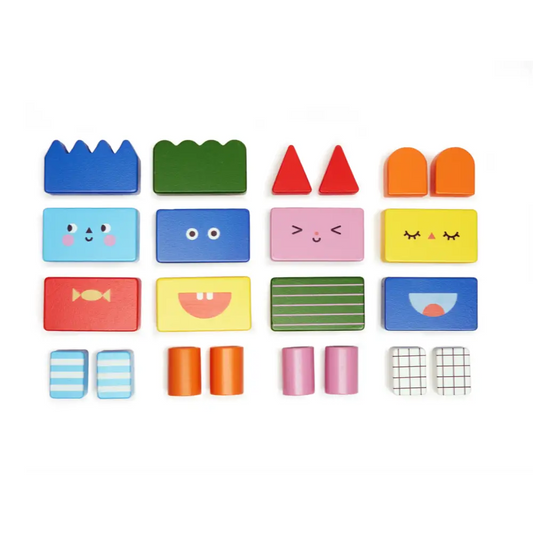
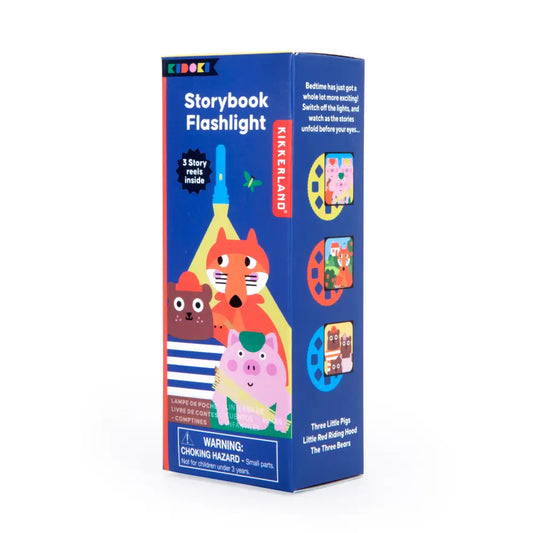
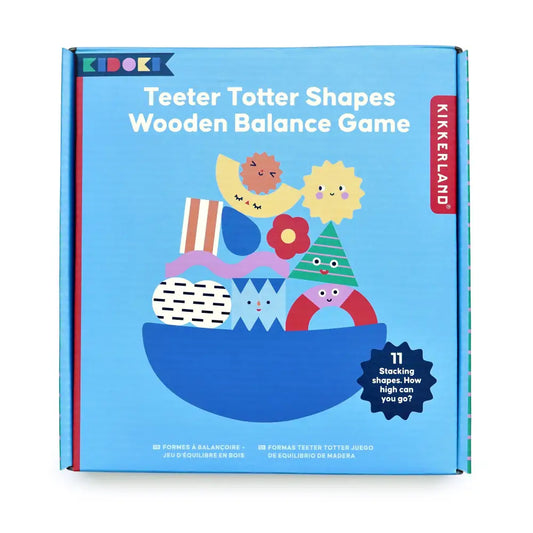
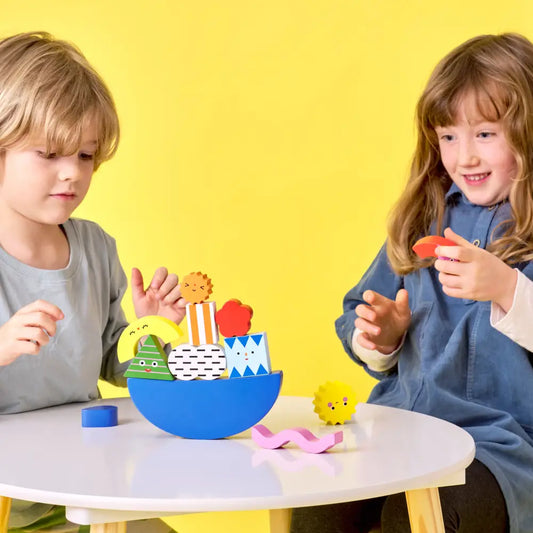
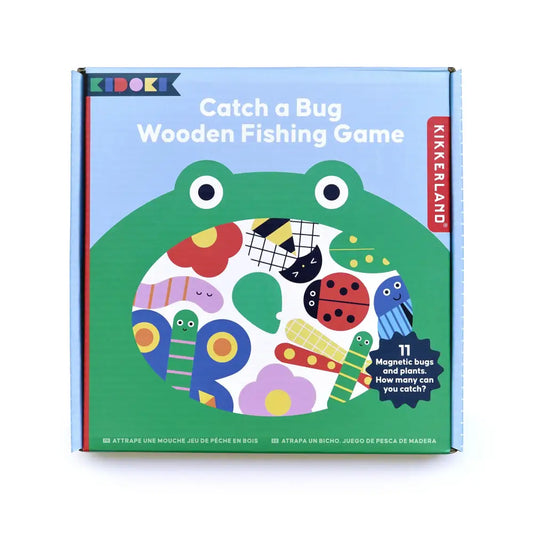
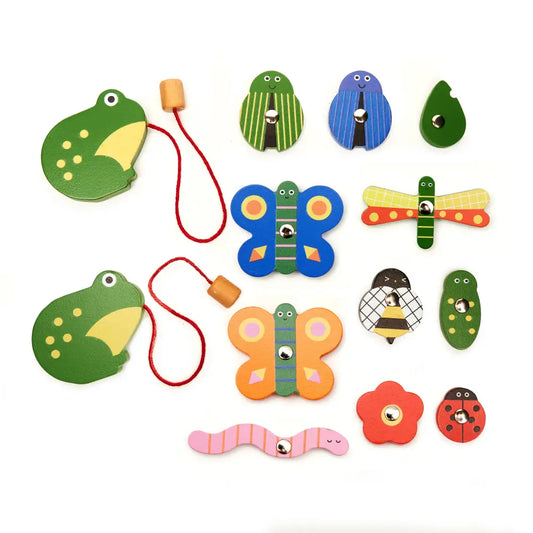
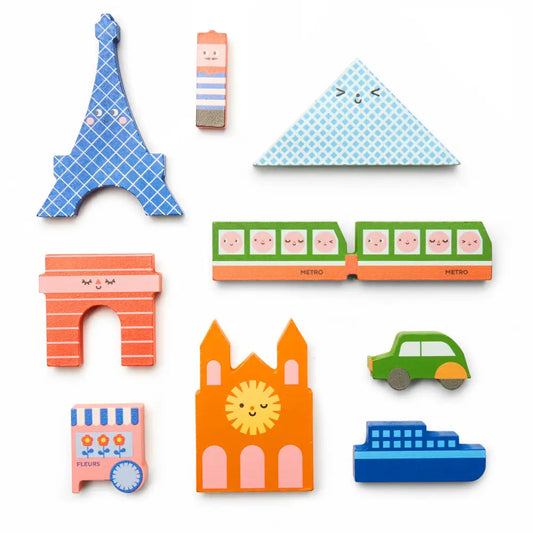
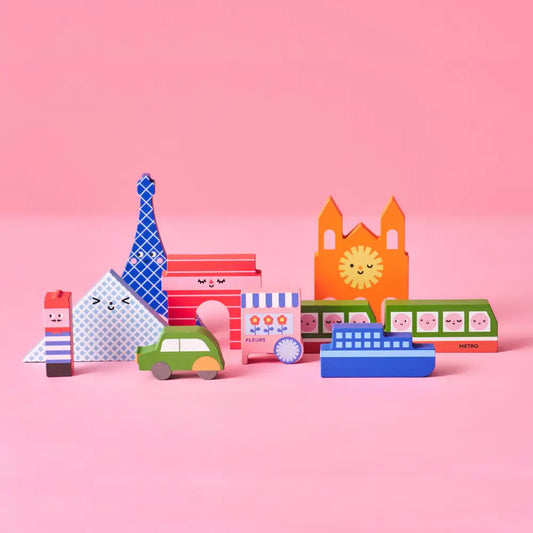
Wooden games and toys have endured through the centuries, from the 18th to the 19th century, retaining their educational purpose. This type of educational game helps children understand the relationships between objects, learn to count, and develop their coordination. The first board games also emerged during this period, designed to encourage thinking and cooperation.
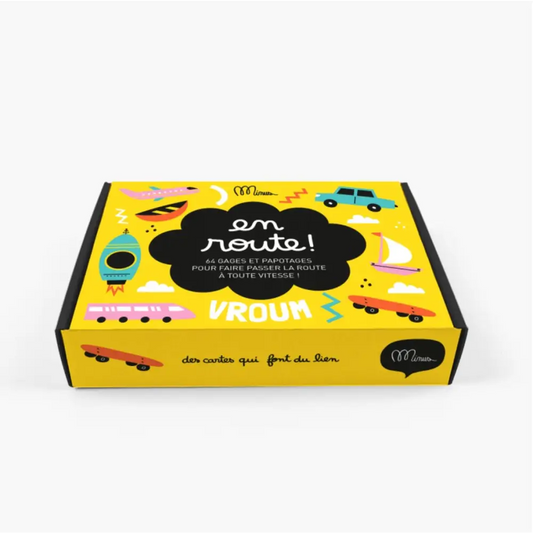
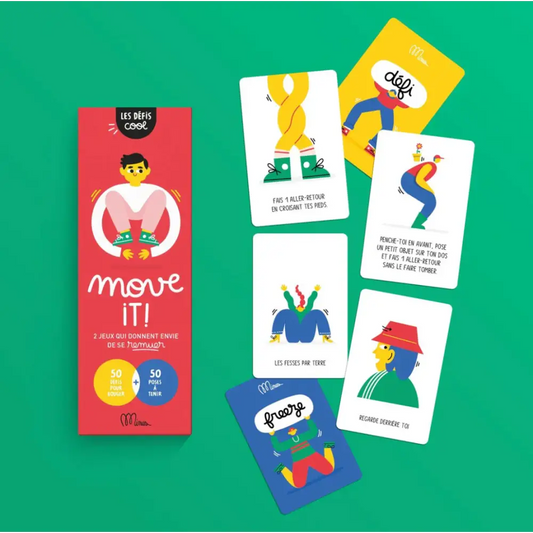
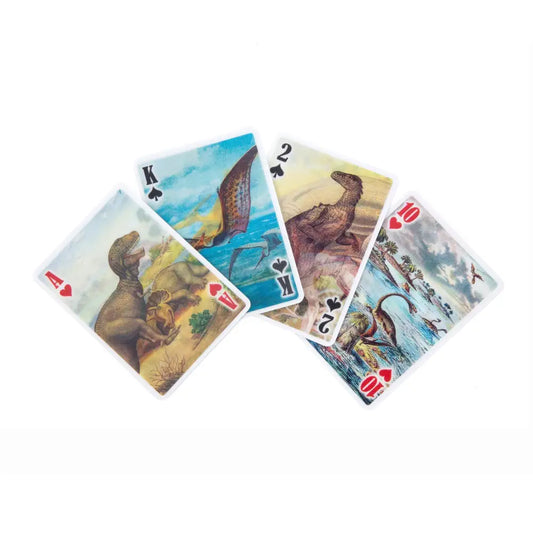
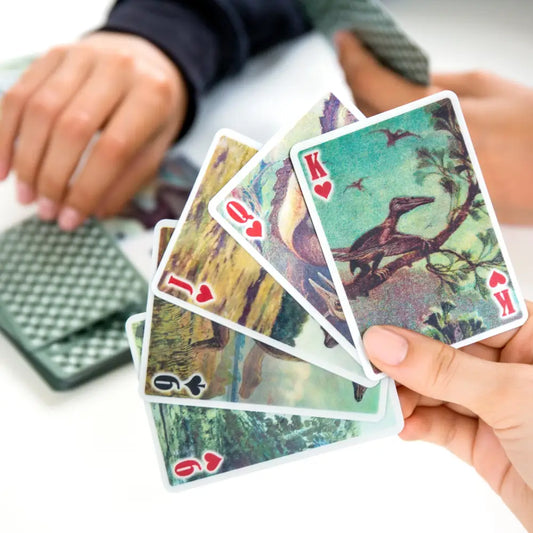
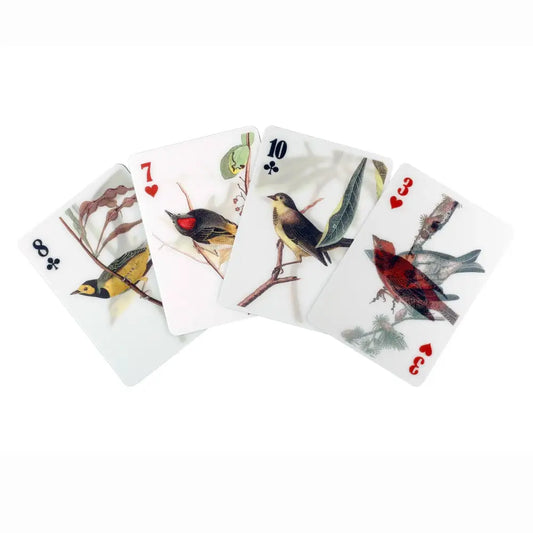
Today, Forma Concept Store offers board games, card games, and science games designed to strengthen skills while fostering creativity. These educational games, which develop logic and stimulate curiosity, are often accompanied by explanatory videos to guide parents in their use.
Digital educational games: the joy of online learning
The application of a serious educational game combines fun and learning. These interactive educational games allow users to approach conjugation, reading, or mathematics through stimulating activities.
On screen, children discover a new way to learn through fun and accessible educational games. Some educational games have been developed by education experts to stimulate curiosity and maintain attention.
The web is full of free tools and powerful applications that facilitate knowledge structuring. Forma Concept Store lists the best products of this type, from specialized companies, and clearly indicates the essential information for each use.
Collaborative educational games: learning together
Educational exploration games and virtual reality games are transforming the way children work together. These activities emphasize cooperation, communication, and collective problem-solving.
Teachers and parents report that group games foster the development of trust and mutual respect. Board games and serious games are particularly valued for their ability to impart values while having fun.
Forma Concept Store also offers educational games to stimulate creativity and strengthen family ties, for use in the classroom or at home.
How to choose the right educational game for your child?
Adapt the game to the child's age and needs
To choose the right educational game for a child, you must consider their age, abilities, and learning goals. Early learning games are perfect for younger children, while educational games for school or primary school help children progress in core subjects.
From middle school onwards, educational games for students incorporate more complex concepts such as division, mental arithmetic, or English exercises.
New types of digital games also offer apps that can automatically adjust levels, allowing learning to progress step by step. These tools can help boost each child's confidence and motivation.
Focusing on educational quality and safety
An educational game should be serious in its design while remaining fun. Quality products, like those offered by Forma Concept Store, guarantee a format adapted to each learning subject.
Games and toys must be made from durable materials , particularly wood, and meet strict safety standards. Each product comes with detailed information about its use, function, and intended audience.
The idea is to offer a fun and positive environment that helps develop skills without neglecting safety and enjoyment.
Free games, paid games, or homemade games: which option to choose?
On the Forma Concept Store website, it is possible to see all the games available, whether they are low-priced, purchased during the last month or added to the basket for expedited delivery.
Educational games for school or home can be homemade or purchased new, depending on the needs. Educational games for learning to read or count are often sold at affordable prices, and some offers allow you to get 3 for the price of 2.
This diversity gives parents the freedom to choose between a traditional board game, an educational video game or a virtual reality game, depending on their child's preferences.
Educational games at school
When play enters the classroom: from free play to guided play
Serious games, also known as educational games, are now widely used in schools to make learning more engaging. These educational games encourage children to actively participate in lessons, directly aligning with the official curriculum.
They are also used to help solve problems or understand new words. Each game is structured to encourage thinking and concentration, while also stimulating creativity. In the classroom, educational games for elementary school students, from first to fifth grade, help them work on math and verb conjugation concepts with enjoyment and effectiveness.
Examples of concrete measures
Teachers who have developed innovative approaches regularly incorporate educational games for primary school to boost student motivation. Some video games or learning apps aim to help children understand key numeracy concepts or improve their visual memory.
The results are positive: children show greater attention and better participation. Other resources, such as educational games for 7-year-olds or 10-year-olds, are designed to adapt the challenges to each age group. This regular practice transforms schoolwork into a fun and enriching experience.
The educational games of tomorrow
From knowledge to interpersonal skills: developing emotional intelligence
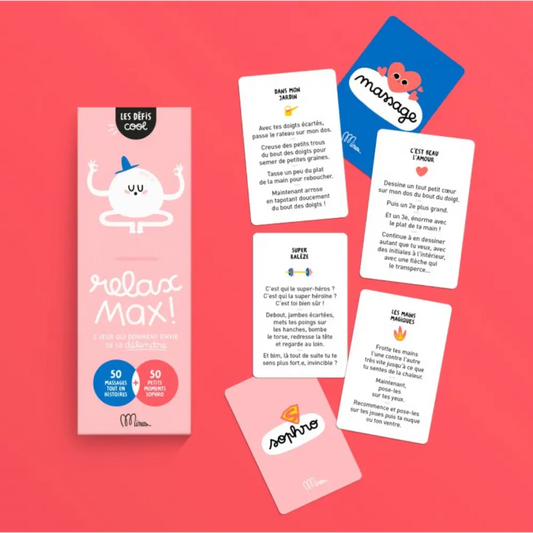
Educational games designed to develop emotions help children understand their own feelings and those of others. These educational games for children are increasingly being integrated into school curricula to strengthen cohesion and communication.
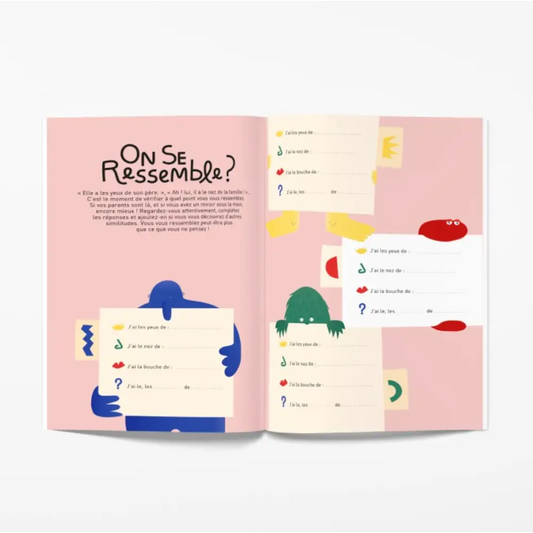
Some educational games designed to stimulate curiosity combine creative activities, role-playing scenarios, and explanatory videos. By encouraging personal expression, these tools contribute to positive learning based on listening and sharing.
Forma Concept Store encourages this approach which places the child at the center of their own development.
Educational games and AI: a personalized revolution
Educational games are evolving rapidly thanks to artificial intelligence and new technologies. Adaptive applications analyze each user's progress to offer targeted exercises, allowing them to solve problems at their own pace.
These innovations offer a modern and motivating approach, particularly useful for middle school students. The integration of virtual reality and augmented reality games opens up new educational perspectives. These modern tools transform learning into an immersive and stimulating experience.
Towards sustainable and playful education
Educational games for exploring environmental issues are becoming essential tools for raising awareness. Educational games for schools promote cooperation and understanding of the world, while offering activities related to nature or recycling.
Some games and toys include information about animal species and invite children to discover animal names interactively. This educational approach helps foster a more responsible society, where each game aims to promote ecological and social awareness from a young age.
Resources and tools to go further
Recommended platforms, books and podcasts
Educational games for students are often accompanied by supplementary resources to reinforce learning. Books, podcasts, and web applications allow students to extend the activities at home.
Teachers and parents can find useful information to help their child progress. Forma Concept Store regularly updates its " Educational Games for Learning " section to include new products and activity ideas for use at home or in the classroom.
Exercises to do as a family
Children's games and educational games for 8-year-olds are perfect for sharing a moment as a family. Parents can organize creative workshops or reading games to work on vocabulary and conjugation while having fun.
By regularly engaging in these activities, children learn to love knowledge and develop their confidence. These moments strengthen bonds and show that learning can be joyful.
Thanks to educational games that stimulate curiosity, each day becomes an opportunity to learn and grow together.